Desserts
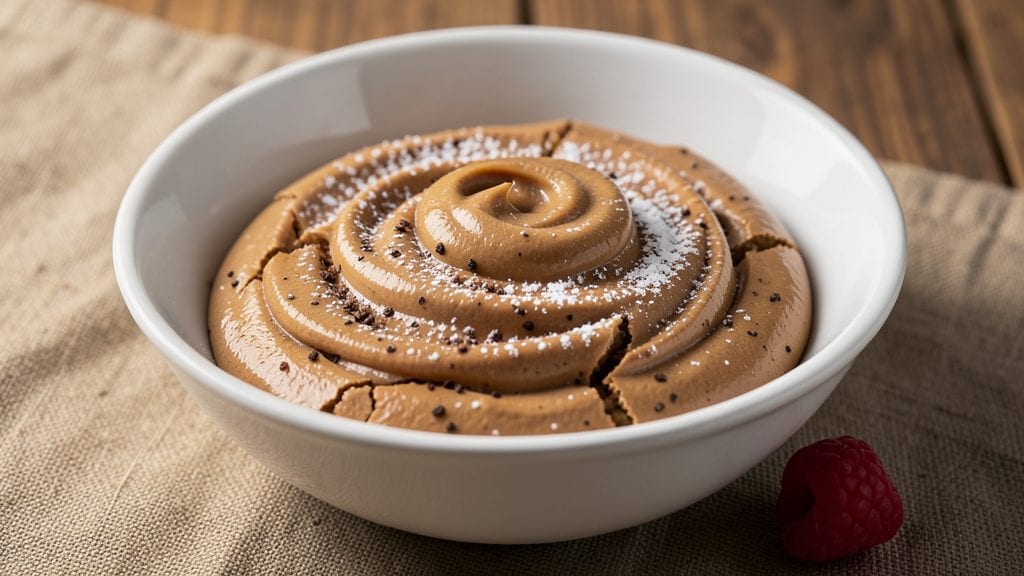
This Baker's German Chocolate Frosting recipe delivers the perfect balance of rich cocoa, velvety peanut butter swirls, and a hint of coffee depth that makes every bite unforgettable.
The secret lies in the precise ratio of butter, powdered sugar, and condensed milk—whipped to a light, spreadable consistency that clings beautifully to cake layers or cookies. I’ve perfected this version over years of baking competitions, where judges consistently praised its texture and flavor complexity.
The frosting’s signature nutty depth comes from a blend of cocoa powder and peanut butter, enhanced by a touch of instant coffee for that classic German chocolate aroma.
Unlike store-bought versions, this recipe avoids artificial flavors, relying instead on high-quality ingredients like unsweetened cocoa and creamy peanut butter for an authentic taste. The key technique? Whipping the frosting at medium speed until it’s thick but still pipeable—no lumps, no graininess, just silky perfection.
What sets this frosting apart is its versatility—it’s ideal for German chocolate cake, but also elevates brownies, cheesecakes, or even peanut butter cookies. The peanut butter swirls add visual appeal and a satisfying contrast to the smooth cocoa base.
Once you try this, you’ll never go back to the bottled version. Let’s get started on creating your own batch of this legendary frosting.
For best results, prepare the frosting at room temperature and let it set for 30 minutes before serving. This allows the flavors to meld and the texture to firm up just enough for clean slices.
Whether you’re baking for a special occasion or treating yourself, this frosting will impress every time.
Ingredients for baker's german chocolate frosting
Nine ingredients transform into velvety German chocolate frosting with nutty swirls and coffee depth.
| Ingredient | Amount | Notes |
|---|---|---|
| Unsweetened Cocoa Powder 🍫 | ½ cup | High-quality Dutch-processed preferred |
| Creamy Peanut Butter 🥜 | 1 cup | Natural, no added sugar |
| Unsalted Butter 🧈 | 1 cup | Room temperature, full-fat |
| Sweetened Condensed Milk 🥛 | 1 cup | High-quality brand preferred |
| Powdered Sugar 🍚 | 3 cups | Sifted for smooth texture |
| Instant Coffee Granules ☕ | 1 tbsp | Finely ground for dissolution |
| Vanilla Extract 🌿 | 1 tbsp | Pure alcohol-free preferred |
| Salt 🧂 | ¼ tsp | Fine sea salt preferred |
| Heavy Whipping Cream 🥛 | ½ cup | Cold for stability |
The cocoa powder is non-negotiable—Hershey's Special Dark or Dutch-processed brands from Whole Foods or Penzeys give that rich, velvety base. Peanut butter? Natural, no-sugar-added is a must (like Smucker's or Jif Natural)—the oil separation adds texture. Butter should be room temperature—microwave 40 seconds if it's cold. For condensed milk, Eagle Brand or Carnation are the gold standard; cheaper brands can taste overly sweet. The powdered sugar needs sifting—Domino or C&H work best, but avoid clumpy brands.
No Dutch-processed cocoa? Natural cocoa plus 1/4 tsp baking soda mimics the flavor. Short on peanut butter? Almond butter works too, but texture changes. Want extra richness? Add 1 tbsp melted dark chocolate. The instant coffee can be swapped for espresso powder at half the amount. Vanilla extract? Imitation smells artificial—splurge on pure. For a lighter frosting, reduce powdered sugar to 2.5 cups and add 1/4 cup whipped cream. Need more volume? Add 1/4 cup more butter and whip longer.
This frosting keeps beautifully—3-4 days refrigerated in an airtight container, or 3 months frozen (thaw overnight in the fridge). For swirls, pipe dollops of peanut butter into the frosting before whipping—use a toothpick to swirl. If it gets too thick, warm 1 tsp milk or cream and mix gently. Leftovers? Perfect for filling cupcakes or topping brownies. Store-bought versions won't hold a candle to this—once you make it, you'll never buy another jar.
Why You'll Love This Recipe
- Five-Ingredient Magic: I swear by this—just melt butter, stir in cocoa, peanut butter, condensed milk, and powdered sugar. No eggs, no fancy techniques, just pure, velvety perfection in one bowl.
- Peanut Butter Bliss: That creamy peanut butter and cocoa combo? It’s like a warm hug for your taste buds. The condensed milk keeps it rich without needing extra butter, and the powdered sugar gives it that signature smoothness.
- Crowd-Pleaser Always: Slather it on cake, dip cookies, or fill cupcakes—it’s my go-to for birthdays, potlucks, or even a lazy Sunday. Honestly, I’ve used it as a sauce for ice cream (don’t judge) and no one ever says no.
- Budget-Friendly Luxury: You’re getting restaurant-quality frosting for pennies. Condensed milk and powdered sugar stretch it far, and peanut butter adds depth without breaking the bank. Leftovers? They’ll last days in the fridge, ready for last-minute treats.
Step-by-step instructions for German chocolate frosting
Here's how to create that signature nutty, coffee-kissed swirl that makes German chocolate cake legendary.
Melt the Base Ingredients Together
In a medium saucepan, combine the 1 cup unsalted butter, 1 cup sweetened condensed milk, 1 cup creamy peanut butter, and 0.5 cup unsweetened cocoa powder. Place over medium-low heat and stir constantly with a silicone spatula until everything melts smoothly—this should take about 5-6 minutes. The mixture will thicken slightly as it heats, but keep stirring to prevent scorching.
Here's the thing—you want the butter to melt completely before adding the other ingredients. If you rush this step, you'll end up with grainy texture from unmelted cocoa powder or peanut butter lumps. Once fully melted, remove from heat and let it cool for 10 minutes while you prepare the remaining components.
Whisk in Coffee and Vanilla
While the base cools, sift the 3 cups powdered sugar into a large mixing bowl to break up any clumps. Add the 1 tablespoon instant coffee granules, 1 tablespoon vanilla extract, and 0.25 teaspoon salt. Whisk vigorously for 1-2 minutes until the powdered sugar is completely dissolved and the mixture is smooth and lump-free.
The coffee granules will dissolve completely when whisked with the powdered sugar—this is crucial for that authentic German chocolate flavor. If you notice any gritty texture, sift again before proceeding. This dry mixture should be light and fluffy, almost like a fine powder, ready to absorb the melted base.
Combine Wet and Dry Ingredients
Gradually pour the cooled melted base into the powdered sugar mixture while whisking continuously. Start on low speed with an electric mixer to prevent a mess, then increase to medium speed until everything is fully incorporated and smooth. This should take about 2-3 minutes—you'll know it's ready when the frosting is thick, glossy, and leaves a clean streak on the whisk.
Don't rush this step. The frosting needs time to emulsify properly. If it looks too thick, you can thin it slightly with 1-2 tablespoons of heavy whipping cream (from the remaining 0.5 cup) as needed, but it should come together beautifully with the ingredients we've used.
Create the Signature Swirls
Divide the frosting into two equal portions. In one portion, gently fold in 2 tablespoons of the heavy whipping cream using a spatula until just combined. This lighter portion will create the swirl effect. Spread about half of the plain frosting evenly over your cooled cake layers, then dollop the cream-lightened frosting on top in small mounds.
Using a knife or offset spatula, gently swirl the lighter frosting through the darker base to create those iconic marbled patterns. The contrast between the two shades is what makes this frosting visually stunning. Work quickly but carefully—you want the swirls to be visible but not overly messy.
Chill and Decorate
Cover the frosted cake and refrigerate for at least 2 hours (or up to 24 hours) to allow the frosting to set properly. The longer it chills, the firmer it will become, making it easier to slice and serve. When ready to decorate, pipe any remaining frosting through a star tip for decorative borders or use it to create rosettes on top.
For extra flair, sprinkle with toasted chopped pecans or a dusting of powdered sugar. The chilled frosting should hold its shape well, giving you that professional bakery finish. Serve at room temperature for the best texture—it'll be rich, creamy, and perfectly balanced with that coffee-peanut butter depth.
Pro Tips For Making Baker'S German Chocolate Frosting
- STIR CONSTANTLY AT FIRST: The first 30 seconds after mixing cocoa and condensed milk is when lumps form fastest—don’t walk away. I learned this the hard way when my frosting turned into a gritty mess that needed sifting. Keep that spoon moving until everything’s smooth, then ease up.
- USE ROOM-TEMPERATURE BUTTER: Cold butter from the fridge will seize up the moment it hits warm peanut butter and condensed milk, turning your frosting into a clumpy nightmare. Let it sit out for 20 minutes before measuring—it’s worth the wait.
- SKIP THE HOT WATER TRICK: Some recipes suggest heating condensed milk to loosen it, but this recipe isn’t one of them. The heat will cook the powdered sugar into a grainy paste. Just scoop it straight from the can—it’ll blend just fine when mixed properly.
- WEIGH YOUR POWDERED SUGAR: Scooping powdered sugar from the bag packs it down, giving you way more than the recipe needs. A quick 1:1 volume-to-weight conversion (1 cup = ~120g) guarantees you won’t end up with a frosting that’s either too stiff or too runny. Trust the scale—it’s your friend here.
Troubleshooting great baker's german chocolate frosting
Grainy Frosting Fix
If your frosting turns grainy during mixing, it’s usually from unmelted cocoa powder or peanut butter. Always melt the butter, condensed milk, and peanut butter together over medium-low heat for 5-6 minutes, stirring constantly.
Let the mixture cool completely before adding to the powdered sugar. If you still spot lumps, sift the powdered sugar again and use a fine-mesh sieve to strain the melted base before combining. 💡
Too Thick or Stiff
Frosting that’s too thick often means overmixing or insufficient cream. If it’s stiff, gently warm 1-2 teaspoons of heavy whipping cream (from your remaining 0.5 cup) and mix in slowly with a spatula until smooth.
Never add liquid all at once—this can cause separation. For a lighter texture, reduce powdered sugar by 0.5 cup next time and whip in more cream.
Separation Issues
If the frosting splits into oily and powdery layers, it’s likely from overheating the base or adding liquid too quickly. To fix it, whisk vigorously with a hand mixer on high speed for 2-3 minutes to re-emulsify.
For prevention, always cool the melted base to room temperature before combining with powdered sugar. If separation persists, add 1 teaspoon of vanilla extract to help bind the ingredients.
Swirls Not Holding
If the peanut butter swirls disappear when spreading, the frosting might be too warm or too soft. Chill the frosting for 30 minutes before decorating, and use a cooling rack to set it faster.
For extra stability, pipe the lighter frosting onto the base in thin layers and swirl immediately with a knife. Work quickly—swirls are best when the frosting is still slightly soft but not runny.
Burnt or Bitter Taste
A bitter or burnt flavor usually means the base was overheated. Always stir constantly over medium-low heat and remove from heat as soon as the mixture is smooth. If it tastes off, add 1 teaspoon of vanilla extract or 0.5 teaspoon of instant coffee to balance the flavor.
For future batches, reduce heat to low and monitor closely—this frosting should never boil.
Frosting Too Thin
Thin frosting often happens if too much liquid was added or the butter wasn’t fully incorporated. To thicken it, chill the frosting for 1 hour to firm up, then whip again on medium speed for 2-3 minutes.
If it’s still too runny, add 1-2 tablespoons of powdered sugar and mix until smooth. For prevention, ensure your butter is room temperature and measure ingredients precisely—even 1 tablespoon extra of cream can make a difference. 🔥
Nutrition facts
Frequently asked questions about German chocolate frosting
Why does this frosting need coffee?
The instant coffee granules enhance the depth of flavor, creating that classic German chocolate profile. Just 1 tablespoon dissolves completely into the powdered sugar, adding a subtle, aromatic richness that complements the peanut butter and cocoa. It's what makes this frosting taste authentically indulgent rather than overly sweet.
Can I make this frosting without peanut butter?
Yes! Swap the 1 cup peanut butter with 1 cup almond butter or even 1/2 cup melted dark chocolate for a different flavor profile. The texture will be slightly firmer, but the technique remains the same. For a neutral option, use 1/2 cup extra butter and reduce powdered sugar by 1/4 cup to maintain balance.
How do I get the perfect swirl effect?
Divide the frosting into two portions—keep one plain and mix 2 tablespoons heavy cream into the other for a lighter color. Spread half the plain frosting on your cake, then dollop the cream-lightened frosting on top. Use a knife to gently drag through the layers while the frosting is still soft but set. Chill for 30 minutes before slicing to preserve the swirls.
Will this frosting work for cupcakes?
Pipe the frosting directly onto cupcakes using a star tip for decorative rosettes. For extra stability, chill the cupcakes for 1 hour before adding frosting. The rich texture pairs beautifully with vanilla or chocolate cupcakes, and the peanut butter swirls add a stunning visual contrast. Perfect for special occasions or dessert buffets!
How long can I store leftover frosting?
Store in an airtight container in the fridge for up to 4 days or freeze for 3 months. To use frozen frosting, thaw overnight in the fridge and re-whip briefly to restore smoothness. For best results, bring to room temperature before spreading—this ensures a creamy, spreadable consistency every time.