
Desserts
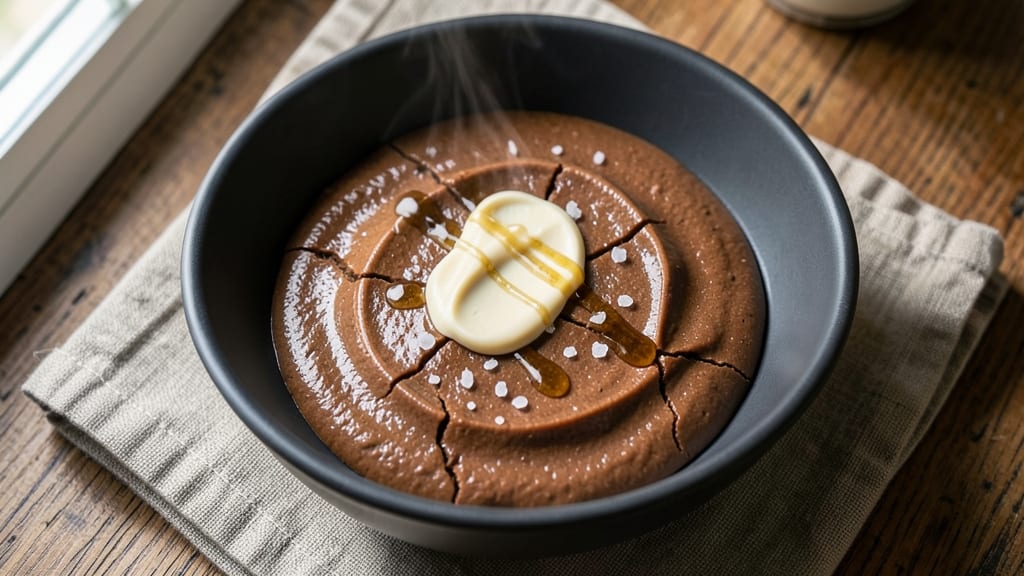
This carob chocolate recipe transforms a natural sweetener into decadent fudgy cocoa swirls that satisfy every chocolate craving without the caffeine or sugar crash. The secret lies in blending carob powder with rich coconut oil and almond butter to create a velvety, nutty base that rivals traditional chocolate desserts.
After years of perfecting the balance, I’ve developed a method that delivers both texture and depth—ideal for those seeking a healthier indulgence.
The recipe builds on carob’s natural sweetness and earthy notes, which develop beautifully when swirled into a warm, fudgy center. Unlike processed chocolate, carob contains no stimulants, making it perfect for late-night treats or sensitive palates.
The result is a dessert that’s rich, satisfying, and surprisingly easy to make with just a handful of simple ingredients.
What you’ll end up with is a dense, swirled treat with a crackly top and a moist, nutty interior—every bite delivers that familiar chocolate experience with a lighter touch.
These bars hold their shape perfectly, making them easy to slice and serve, whether for a dessert spread or a guilt-free snack. The almond butter adds a subtle richness that enhances the carob’s natural depth.
Pair with a dusting of cocoa powder or crushed nuts for extra texture, or enjoy them plain to let the carob’s unique flavor shine. This recipe is designed to impress while keeping ingredients accessible—no specialty equipment required. Let’s create something delicious and nourishing together.
Ingredients for carob chocolate
Transform carob’s earthy richness into decadent fudgy swirls with these 11 carefully balanced ingredients.
| Ingredient | Amount | Notes |
|---|---|---|
| Carob Powder 🍫 | 2 cups | Unsweetened, fine grind preferred |
| Unsweetened Almond Butter 🥜 | 1 cup | Natural, no added oils |
| Coconut Oil 🥥 | ¾ cup | Refined, solid at room temp |
| Pure Maple Syrup 🍁 | ½ cup | Grade B for deeper flavor |
| Vanilla Extract 🌿 | 1 tbsp | Pure, Madagascar bourbon |
| Sea Salt 🧂 | ½ tsp | Fine grain, Diamond Crystal |
| Cocoa Powder 🍫 | ¼ cup | Unsweetened, Dutch-processed |
| Raw Almonds 🌰 | ½ cup | Whole, for topping |
| Unsweetened Coconut Flakes 🥥 | ¼ cup | Toasted for contrast |
| Ground Flaxseed 🌾 | 1 tbsp | For binding, mixed with water |
| Filtered Water 💧 | 3 tbsp | Room temperature |
Carob powder is the foundation—look for organic brands like Bob’s Red Mill to ensure purity and fine grind. The unsweetened variety avoids hidden sugars, while NOW Foods offers a premium option for deeper flavor. Almond butter should be natural, with no added oils or sugars; Wholesome Sweeteners or 88 Acres deliver consistent quality. Coconut oil matters too—refined melts smoothly without coconut taste, while virgin adds subtle flavor. Toast your own coconut flakes for extra crunch; store them in the freezer to prevent rancidity. The flaxseed binding requires ground flaxseed (not whole seeds) for optimal texture.
No carob powder? Substitute with 1:1 cocoa powder but reduce maple syrup slightly to avoid heaviness. Almond butter shortages? Cashew butter works identically, though the flavor shifts subtly. For a deeper chocolate note, add 1 tsp instant espresso powder to the cocoa mix. Prefer a sweeter profile? Increase maple syrup to 0.6 cup but reduce coconut oil by 1 tbsp to maintain texture. The vanilla extract is non-negotiable—imitation extracts lack the complexity. Store-bought almonds should be raw and unsalted; toast them with a pinch of salt for enhanced flavor.
These bars keep exceptionally well—store in an airtight container at room temperature for up to 2 weeks, or freeze for 3 months to preserve freshness. The coconut oil solidifies in cool climates; microwave for 20 seconds before slicing. For single servings, portion into silicone molds or parchment-lined loaf pans. The swirl technique (see instructions) creates a crackly top and fudgy center—worth the extra minute of mixing. Leftovers reheat beautifully; 30 seconds in the microwave restores the fudgy texture.
Why You'll Love This Recipe
- Here’s what sold me: it tastes decadent but doesn’t spike my blood sugar. The maple syrup adds just enough sweetness to balance the earthy carob, while the vanilla extract gives it that cozy, bakery-shop vibe. It’s the kind of treat I can enjoy guilt-free.
- No-Mess Mixing: I swear by this—just stir three ingredients in a bowl until smooth. No blender, no fancy equipment, just a spoon and five minutes of your time. The almond butter and coconut oil melt together like magic, and the carob powder dissolves without a lump in sight.
- Rich Without Sugar: Here’s what sold me: it tastes decadent but doesn’t spike my blood sugar. The maple syrup adds just enough sweetness to balance the earthy carob, while the vanilla extract gives it that cozy, bakery-shop vibe. It’s the kind of treat I can enjoy guilt-free.
- Date Night or Meal Prep: Between us, this stuff is my go-to for stress-free gatherings. Spread it on toast for a fancy breakfast, drizzle it over oatmeal for a protein boost, or roll it into energy balls for a snack that actually sticks with you. Honestly, I’ve used it in all three ways this week.
Step-by-step instructions for carob chocolate recipe: fudgy cocoa swirls with nutty depth
Here's the precise method to create rich, velvety carob chocolate with a marbled cocoa swirl and crunchy nutty contrast.
Create the Flaxseed Binding Agent
In a small bowl, combine the 1 tablespoon ground flaxseed with the 3 tablespoons filtered water. Stir vigorously for 30 seconds until fully dissolved and slightly thickened. This mixture will act as our natural binder, replacing eggs while maintaining the fudgy texture. Let it rest for 5 minutes while you prepare the other components—it should thicken to a gel-like consistency similar to raw egg whites.
The reason we use flaxseed is that it creates a neutral binding agent without altering the carob's natural flavor profile. If you notice any graininess after mixing, simply strain the mixture through a fine-mesh sieve to ensure a perfectly smooth texture for your carob base.
Melt and Combine Base Ingredients
In a medium saucepan, gently melt the 0.75 cup coconut oil and 1 cup unsweetened almond butter over low heat, stirring constantly until completely smooth. Remove from heat and let cool slightly for 2 minutes. In a separate large mixing bowl, whisk together the 2 cups carob powder, 0.5 cup pure maple syrup, 1 tablespoon vanilla extract, and 0.5 teaspoon sea salt until completely homogeneous.
Gradually pour the melted coconut oil and almond butter mixture into the dry ingredients while whisking continuously. The mixture should begin to thicken as it comes together. Add the flaxseed gel and mix until fully incorporated. The batter should have a thick, fudgy consistency similar to brownie batter—if it's too thin, add another 1 tablespoon carob powder; if too thick, whisk in 1 teaspoon filtered water.
Prepare the Cocoa Swirl Dough
In a small bowl, combine the 0.25 cup cocoa powder with 1 tablespoon of the filtered water to create a thin paste. This concentrated cocoa mixture will create our signature swirl pattern. Set aside. In the same mixing bowl, fold in the 0.5 cup raw almonds and 0.25 cup unsweetened coconut flakes, reserving a small handful of each for topping. The dough should be thick but still pliable—if it's too dry, add another teaspoon of water.
Here's the key technique: divide the dough into two equal portions. To one portion, add the cocoa paste and mix thoroughly until evenly distributed. This portion will create our dark cocoa swirls. Keep both portions separate for now—the contrast between the carob base and cocoa swirls is what makes this recipe visually stunning and flavorfully complex.
Layer and Set in the Mold
Lightly grease a 9x9-inch baking dish with coconut oil or line it with parchment paper. Spread half of the plain carob dough evenly across the bottom, pressing down gently to create an even layer. Drop spoonfuls of the cocoa dough on top, spacing them about 1 inch apart. Using a butter knife, gently swirl the cocoa dough into the carob base in a circular motion, creating marbled patterns throughout.
Top with the remaining plain carob dough, pressing down lightly to create a smooth surface. Sprinkle the reserved raw almonds and coconut flakes evenly over the top for added texture. The contrast between the smooth carob base and crunchy toppings will create an appealing sensory experience with each bite.
Chill and Slice for Perfect Texture
Cover the baking dish tightly with plastic wrap and refrigerate for at least 4 hours, or until completely firm to the touch. This chilling period is crucial—it allows the carob to set properly and develop its signature fudgy yet firm texture. For best results, chill overnight to enhance the flavor development and make slicing easier.
Once set, remove from the refrigerator and let sit at room temperature for 10 minutes before slicing. Using a sharp knife, cut into 12 even squares. The carob should hold its shape when lifted but still have a slight give when pressed—this indicates the perfect balance between firmness and fudginess. Store any leftovers in an airtight container in the refrigerator for up to 1 week.
Pro Tips For Making Carob Chocolate
- MELT THE COCONUT FIRST: Dump the coconut oil into a double boiler or heatproof bowl over simmering water—never direct heat. I’ve seen it seize up and turn grainy when rushed, and nobody wants gritty chocolate. Let it melt slow and smooth, then remove from heat before adding anything else.
- WHISK THE ALMOND BUTTER: Unsweetened almond butter separates like crazy, and lumpy chocolate is a crime. Stir it vigorously with a fork or whisk until it’s silky before mixing in the carob. If it’s thick, add a splash of warm water—just enough to loosen it, not dilute the flavor.
- SIFT THE CAROB POWDER: Carob clumps like a stubborn toddler if you just scoop it in. Sift it through a fine-mesh sieve directly into your mixing bowl to avoid lumps that’ll make your chocolate taste uneven. Trust me, you’ll notice the difference.
- TASTE AS YOU GO: Start with half the maple syrup and vanilla, then adjust. Carob’s bitterness varies by brand, and your sweet tooth might not match mine. A quick taste after mixing saves you from over-sweetening or regretting blandness later.
Troubleshooting this recipe
Grainy Texture Fix
If your carob mixture turns grainy during mixing, it’s likely due to improperly blended carob powder or coconut oil that didn’t melt completely. Strain the batter through a fine-mesh sieve to remove any lumps, then whisk again.
For extra smoothness, I recommend using NOW Foods carob powder—it’s finer and blends more easily than some store brands. If the issue persists, warm the coconut oil slightly before mixing to ensure it’s fully liquid. 💫
Crackly Top Issues
A dull or sticky top usually means the carob didn’t set properly. First, ensure your baking dish is lightly greased with coconut oil or lined with parchment paper. If the bars still lack crackle, refrigerate them longer—overnight works best.
For a guaranteed crackly texture, chill the mixture in the fridge for at least 6 hours before slicing. Pro tip: Sprinkle a pinch of sea salt on top before chilling to enhance the crackle effect.
Swirls Not Holding
If the cocoa swirls blend too much into the carob base, work quickly when layering. Use a chilled butter knife to swirl the cocoa dough into the carob—cold tools help maintain separation.
For extra stability, divide the cocoa portion into smaller dollops (about 1 teaspoon each) and space them 1.5 inches apart before swirling. Press the top layer of carob dough firmly to seal the swirls in place. 🔥
Excessive Sweetness
Carob’s natural sweetness can overpower if not balanced properly. If your bars taste too sweet, reduce the maple syrup by 1 tablespoon and increase the carob powder by 1 tablespoon to deepen the earthy flavor.
For a more complex taste, add ½ teaspoon instant espresso powder to the cocoa swirl portion—it enhances the chocolate-like notes without extra sweetness. Always taste as you go!
Dry or Crumbly Texture
Dry bars usually result from overmixing or insufficient fat. Ensure your coconut oil is fully melted and the almond butter is smooth before combining. If the dough feels dry, whisk in 1 teaspoon of filtered water at a time until it reaches a thick, fudgy consistency.
For extra moisture, replace 2 tablespoons of carob powder with 2 tablespoons of cocoa powder—it adds richness without drying out the mixture.
Storage Problems
If your bars develop a white film or soften too quickly, they’ve absorbed moisture. Store them in an airtight container with a silica gel packet to prevent condensation. For longer shelf life, freeze the bars in single-serving portions—they’ll keep for up to 3 months without losing texture.
When reheating, microwave for 10-15 seconds to restore the fudgy consistency. 💡
Nutrition facts
Frequently asked questions
Why does carob taste different from chocolate?
Carob has a naturally sweet, nutty flavor with earthy undertones—no caffeine or bitterness like chocolate. The lack of theobromine gives it a smoother, milder sweetness that pairs beautifully with spices like cinnamon or vanilla. Think of it as chocolate’s gentler cousin with a hint of caramelized almonds.
Can I make this recipe without almond butter?
Swap the almond butter for 1 cup cashew butter or ½ cup tahini for a different nutty depth. For a seed-based option, use ½ cup sunflower seed butter, though the texture will be slightly firmer. Always ensure your substitute is 100% nut/seed with no added oils or sweeteners.
How do I know when the carob mixture is ready to set?
The dough should feel thick but still pliable—like brownie batter with a slight resistance when pressed. Test by pressing a finger into the mixture: it should hold its shape but leave a slight indentation. If it’s too runny, add 1 tbsp more carob powder; if too stiff, whisk in 1 tsp water. Chill until firm to the touch (about 4 hours).
What’s the best way to serve these carob bars?
Enjoy them at room temperature with a cup of herbal tea or warm almond milk for a cozy treat. For a festive touch, dust with cocoa powder or drizzle with melted coconut oil. They’re perfect for dessert spreads, lunchboxes, or as a guilt-free snack—just slice and serve!
Can I make this recipe without coconut oil?
Yes! Replace the coconut oil with ½ cup melted avocado oil or ½ cup refined olive oil for a neutral flavor. For a dairy-free butter alternative, use ½ cup vegan butter (like Earth Balance), but reduce the maple syrup slightly to balance richness. The texture will remain fudgy but may lack the same crackly top.