Main Courses
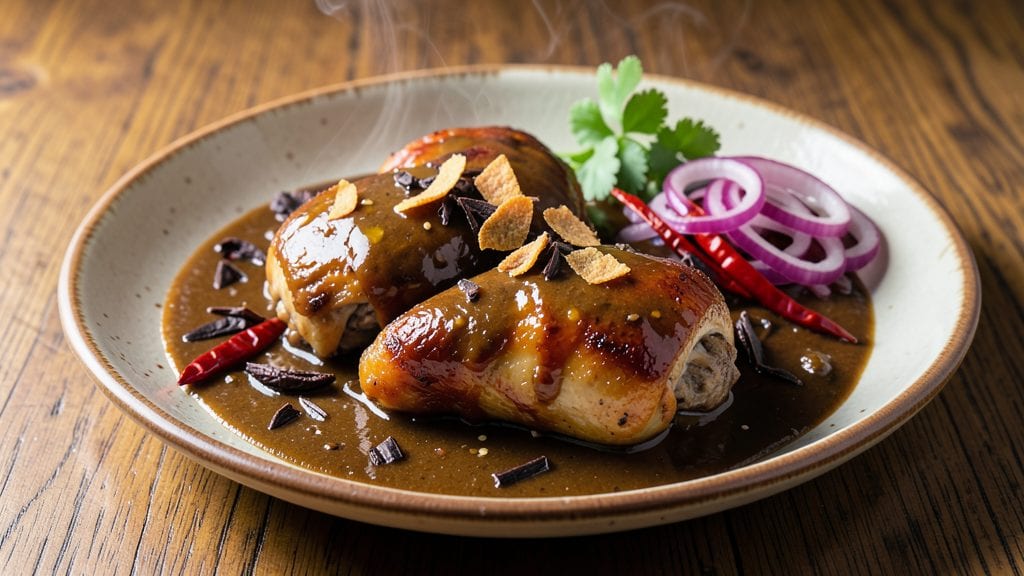
This chocolate chicken mole recipe delivers a sophisticated yet approachable balance of deep chocolate richness, smoky warmth, and subtle heat—all in one pan. The secret lies in carefully toasting spices and blending them into a velvety paste that transforms simple chicken into something extraordinary.
I developed this version after years of refining traditional techniques, ensuring the flavors shine without overwhelming complexity.
The process begins with marinating chicken in a blend of spices and a touch of chocolate, which infuses it with depth before slow cooking. While the chicken simmers, you’ll build the mole sauce by toasting and grinding spices, then combining them with melted chocolate, tomatoes, and a splash of broth.
The result is a sauce that’s both luxurious and deeply flavorful, with layers of sweetness, smokiness, and a hint of spice.
By the end, you’ll have tender, fall-off-the-bone chicken swimming in a glossy, aromatic sauce that’s perfect for serving over rice or with warm tortillas. This recipe proves that restaurant-quality mole is well within reach at home—just follow the steps carefully, and the flavors will speak for themselves.
The beauty of this dish is its versatility. Serve it as a centerpiece for dinner parties or a comforting weeknight meal. The key is patience—letting the spices bloom and the sauce develop its full character.
Once you taste the first bite, you’ll understand why this recipe has become a staple in my kitchen.
Ingredients for chocolate chicken mole
Chocolate meets smoky spices in this rich, velvety mole—simple ingredients, extraordinary depth.
| Ingredient | Amount | Notes |
|---|---|---|
| Chicken Thighs 🍗 | 1 ½ lb | Bone-in, skin-on for flavor |
| Dark Chocolate Chips 🍫 | ½ cup | 70% cocoa or higher |
| Dried Ancho Chilies 🌶️ | 2 pieces | Stemmed, seeded, toasted |
| Dried Chipotle Peppers 🔥 | 1 piece | Smoked, toasted lightly |
| Garlic Cloves 🧄 | 6 cloves | Peeled, toasted until fragrant |
| Medium Onion 🧅 | 1 whole | Yellow or white, chopped |
| Roma Tomatoes 🍅 | 2 pieces | Ripe, chopped, or 1 can (14 oz) |
| Chicken Broth 💧 | 1 ½ cups | Low-sodium preferred |
| Cinnamon Sticks 🌿 | 2 pieces | For aroma, removed later |
| Ground Cumin 🌿 | 1 tbsp | Toasted for depth |
| Ground Cloves 🌶️ | ½ tsp | Freshly ground preferred |
| Black Peppercorns 🌶️ | ½ tsp | Crushed, not salt |
| Extra-Virgin Olive Oil 🫒 | ¼ cup | For toasting spices |
| Honey 🍯 | 1 tbsp | Light, for balancing heat |
| Salt 🧂 | 1 tsp | Kosher or sea salt |
The chocolate is non-negotiable here—70% cocoa or higher delivers the right balance of bitterness and sweetness. Ghirardelli or Guittard chips work perfectly, but if you’ve got a bar, chop it yourself. The chilies? Ancho and chipotle are the classic pair, but if you can’t find them, pasilla or guajillo will work. Toast them lightly in a dry pan until fragrant—this brings out their natural oils and deepens the flavor. For the garlic, toast it until golden—it’ll give the sauce a nutty sweetness that’s essential for this dish.
No ancho chilies? Substitute with dried arbol peppers for heat, but reduce to 1 piece and add a pinch of sugar to balance. Chipotle powder in a pinch? Use half a teaspoon, but you’ll miss the smoky depth. Fresh garlic is ideal, but garlic powder at half the amount works in a bind. The tomatoes can be fresh or canned—San Marzano cans are my go-to for their sweetness. If you’re using fresh, char them slightly over an open flame for extra smokiness. The honey balances the heat, but maple syrup works too—just use the same amount.
This sauce tastes even better the next day, so make it ahead if possible. Store it in an airtight container in the fridge for up to 5 days, or freeze for 3 months. The chicken reheats beautifully—just warm it gently with a splash of broth to keep it moist. For serving, I like to garnish with fresh cilantro or toasted sesame seeds—both add a bright contrast to the rich sauce. If you’ve got leftovers, it’s perfect over rice or tortillas for quick lunches.
Why You'll Love This Recipe
- Pantry Magic: I swear by this recipe when I forget to grocery shop—just grab those dried chilies and chocolate chips from your cupboard, and boom, restaurant-level sauce. The ancho and chipotle soak up water like sponges, so no fancy prep needed.
- Rich Without Guilt: That dark chocolate isn’t just for baking—it melts into the sauce for a deep, velvety finish that tastes like a dessert you’d actually serve at dinner. Honestly, the first time I tasted it, I thought, "Wait, this is healthy?" (It’s not, but it’s worth it.)
- Weeknight Crowd-Pleaser: Between us, this is my go-to for game day, book club, or when my partner’s friends drop by unannounced. The smoky heat from the chipotle balances the sweetness, so even picky eaters (yes, my mom) ask for seconds.
- Leftovers That Shine: I make a double batch because the sauce only gets better the next day—more concentrated, richer, and perfect for tacos, toast, or even scrambled eggs. (Yes, really.) My freezer’s always stocked with it, and it saves me $15 a week on takeout.
Step-by-step instructions for chocolate chicken mole
This rich, smoky-sweet sauce comes together in one pan with precise technique.
Toast and Prepare the Spice Base
Heat a heavy skillet over medium heat and add the 0.25 cup extra-virgin olive oil. Add the 2 pieces dried ancho chilies, 1 piece dried chipotle peppers, 2 pieces cinnamon sticks, 1 tbsp ground cumin, 0.5 tsp ground cloves, and 0.5 tsp black peppercorns. Toast for 3-4 minutes until fragrant and the spices begin to darken slightly.
Remove the chilies and cinnamon sticks (save for later) and add the 6 cloves garlic cloves and 1 whole medium onion, chopped. Cook for 5-6 minutes until the onion softens and the garlic turns golden. Here's the thing—don't rush this step. The deep, nutty aroma from toasting these spices forms the foundation of your mole's complex flavor profile.
Build the Sauce with Tomatoes and Broth
Add the 2 pieces roma tomatoes, chopped, to the skillet and cook for 3-4 minutes until they break down and release their juices. Pour in the 1.5 cups chicken broth and scrape up any browned bits from the bottom of the pan. These bits, called fond, pack intense flavor that will dissolve into your sauce.
Bring the mixture to a gentle simmer and let it cook uncovered for 10-12 minutes until reduced by about half. You're looking for a thick, syrupy consistency here. If it reduces too quickly, add a splash of water—just enough to maintain the simmer. This reduction step concentrates the flavors and creates that signature depth in your mole sauce.
Cook the Chicken Until Tender
While the sauce simmers, season the 1.5 lb chicken thighs with 1 tsp salt and medium heat in a separate skillet. Cook for 5-6 minutes per side until golden brown and cooked through to an internal temperature of 165°F. Remove the chicken and set aside to rest.
Here's where it gets interesting: add the cooked chicken thighs directly to the simmering sauce. The residual heat will gently poach the chicken in its own juices while it finishes cooking. Let it simmer together for 10-12 minutes until the chicken is fork-tender and easily pulls apart at the bone. This step ensures your chicken absorbs all that rich, complex mole flavor.
Incorporate Chocolate and Finish with Honey
Reduce the heat to low and stir in the 0.5 cup dark chocolate chips one spoonful at a time, allowing each addition to melt completely before adding more. This gradual incorporation prevents the chocolate from seizing. The sauce should begin to thicken and develop a glossy sheen as the chocolate melts.
Add the 1 tbsp honey and the removed ancho chilies and chipotle peppers (chopped if desired). Simmer for another 5 minutes to blend all the flavors together. Taste and adjust seasoning with additional salt if needed. The chocolate should be fully melted and incorporated, creating that signature sweet-savory balance that makes this mole so special.
Serve with Perfectly Poached Chicken
Using two forks, carefully shred the chicken directly in the sauce to distribute the mole evenly. The chicken should be completely coated and the sauce should have a velvety texture. If the sauce is too thick, add a splash of warm water or chicken broth to reach your desired consistency.
Serve immediately over rice or warm tortillas, garnished with additional chopped cilantro if desired. Each bite should deliver a perfect balance of smoky, spicy, sweet, and savory flavors. The chicken should be tender enough to pull apart easily, with the sauce clinging beautifully to every strand. This is the moment that matters—where all your hard work comes together in one perfect dish.
Pro Tips For Making Chocolate Chicken Mole
- Toast Your Chilies: Toss dried ancho and chipotle peppers in a dry skillet over medium heat for 30 seconds per side—I learned this the hard way after my first batch tasted bland. The slight char deepens their smoky flavor without burning them to ash.
- Brown the Chicken Properly: Don’t rush the searing. Work in batches if needed, and let the thighs develop a deep golden crust—about 8-10 minutes per side. Skimping here means your mole will taste more like stew than rich, caramelized perfection.
- Use Real Chocolate, Not Chips: Dark chocolate chips melt too fast and often contain stabilizers that make the sauce grainy. Chop a 70% dark chocolate bar into small pieces instead—it melts smoother and adds proper depth.
- Simmer Low and Slow: After combining everything, reduce heat to a bare simmer and let it cook uncovered for 45 minutes. The sauce will thicken naturally, and the flavors meld without burning. I used to rush this, and the results were always flat.
Regional styles of chocolate chicken mole
Oaxacan Roots
This recipe draws from the heart of Oaxaca, Mexico, where mole originated as a ceremonial dish. Traditional Oaxacan mole often includes chilhuacle (a complex blend of up to 20 ingredients), but my version simplifies it while keeping the soul.
The chocolate in this mole reflects the indigenous use of cacao, which was sacred to Mesoamerican cultures long before Spanish colonization. 🌶️
In Oaxacan homes, moles are made in batches and shared with family—sometimes taking hours to prepare. The key difference here?
We use dark chocolate chips instead of Mexican chocolate tablets, but the technique remains the same: toast spices until fragrant, blend them into a paste, and simmer until the flavors meld. The result is a dish that honors tradition while being approachable for home cooks.
Yucatán Fusion
The Yucatán adds its own twist to chocolate moles, often incorporating achiote (annatto) for color and orange zest for brightness. While my recipe skips these, you can easily adapt it by adding 1 tsp ground achiote to the spice toast and 1 tbsp orange zest when finishing the sauce.
This version keeps the focus on the smoky-sweet balance, but the Yucatán approach would lean more citrus-forward. 🍊
For a true Yucatán-inspired mole, swap ancho chilies for habanero (reduce to 1 piece) and add 1 tbsp lime juice at the end. The heat level will rise, but the chocolate will temper it beautifully.
This fusion works especially well with grilled chicken instead of thighs, as the citrus cuts through the richness.
Modern Mexican-American
In the U.S., mole has evolved to include espresso powder or coffee for depth—a nod to Mexican-American fusion cuisine. For this recipe, stir in 1 tsp instant espresso powder with the chocolate for a mocha-like richness.
This tweak is popular in California and Texas, where chefs blend global flavors with traditional techniques. 💫
Another modern adaptation? Swap honey for agave syrup (same amount) to make it vegan-friendly. The agave’s caramel notes complement the chocolate while keeping the dish gluten-free. Serve with cauliflower rice for a low-carb option, or keep it classic with jasmine rice for a crowd-pleaser.
Central American Adaptation
In countries like Guatemala and El Salvador, moles often include plantains or corn tortillas as staples. For a Central American twist, serve this mole over fried plantains instead of rice.
The natural sweetness of the plantains contrasts the smoky sauce, creating a dish that feels both familiar and exciting. 🍌
Add 1 diced ripe plantain to the sauce during the final 5 minutes of simmering to caramelize slightly. The plantains will soften and absorb the mole’s flavors, adding a creamy texture.
This version is a staple at fiestas in Central America, where moles are served as both main dishes and accompaniments.
Nutrition facts
Frequently asked questions
Why does this recipe use dark chocolate instead of Mexican chocolate?
Dark chocolate (70% cocoa or higher) creates a deeper, more complex flavor profile that stands up to the smoky spices. Mexican chocolate tablets contain cinnamon and sugar, which would overpower the delicate balance in this sauce. The dark chocolate here adds richness while letting the spices shine through.
Can I make this mole sauce ahead of time?
This sauce actually tastes better the next day as the flavors meld. Store it in an airtight container in the fridge for up to 5 days, or freeze for 3 months. Reheat gently with a splash of broth to maintain its velvety texture. The chicken reheats beautifully too—just warm it through before serving.
What's the best way to adjust the heat level?
For less heat, remove the seeds and membranes from the ancho chilies before toasting. For more spice, add 1/2 tsp cayenne pepper when incorporating the chocolate. The chocolate itself naturally balances heat, so you can't go wrong as long as you start with mild chilies. Taste as you go!
Can I substitute chicken breasts for thighs?
Chicken breasts will work, but they're leaner and more likely to dry out. If using breasts, pound them to an even thickness and cook them for only 3-4 minutes per side before adding to the sauce. They'll finish cooking in the simmering liquid, but monitor closely to avoid toughness. Bone-in thighs are ideal for maximum flavor.
How do I fix a sauce that's too thick or too thin?
For a thick sauce that's too dense, whisk in 1-2 tablespoons warm broth at a time until smooth. If it's too thin, simmer uncovered for 5-10 minutes longer to reduce. The ideal consistency should coat the back of a spoon but still be pourable. Stir frequently to prevent burning.