
Desserts
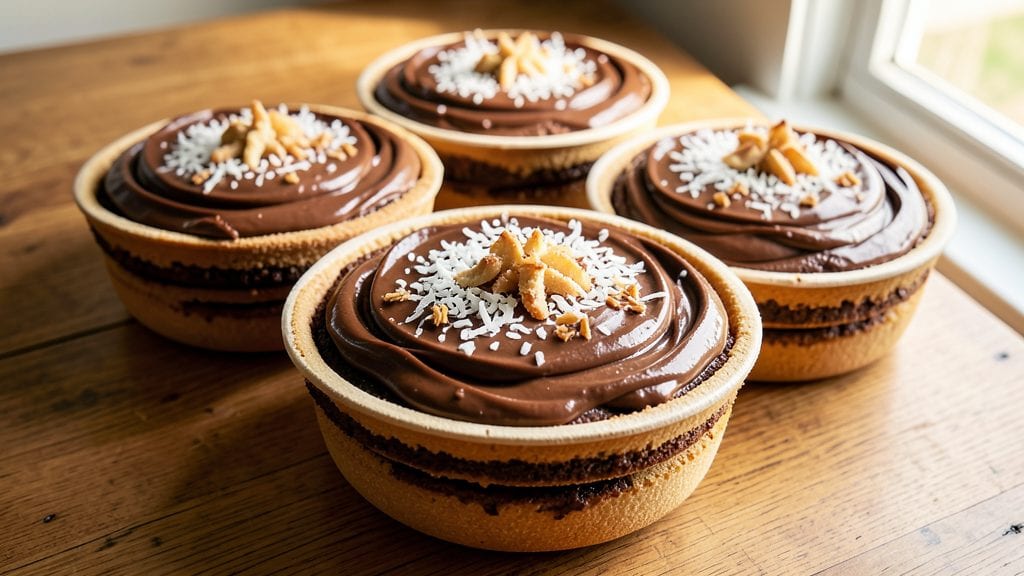
This moist German chocolate cake delivers the perfect balance of rich, fudgy layers and a velvety coconut swirl that keeps every slice irresistibly tender. The secret lies in sour cream and buttermilk, which create that signature moisture while keeping the texture light and fluffy.
I’ve baked this recipe dozens of times—each time, the cake emerges from the oven with a golden crust and a center so dense it practically melts in your mouth.
What sets this version apart is the precise technique for folding in the chocolate and coconut mixture at just the right moment, ensuring those signature swirls stay intact while the cake bakes.
No dry crumbs here—just a cake so moist it stays fresh for days, if you can resist slicing into it sooner. The combination of dark chocolate chunks, toasted pecans, and a glossy coconut glaze makes every bite feel like a decadent treat.
Once baked, the cake is topped with a luscious chocolate ganache and a sprinkle of toasted pecans, adding both texture and visual appeal. Whether you’re serving it at a holiday gathering or simply indulging in a weekend dessert, this recipe delivers restaurant-quality results with minimal fuss.
The layers are rich, the coconut swirl is pronounced, and the moisture? Unmatched.
For an extra touch, serve with a dollop of whipped cream or a scoop of vanilla ice cream to balance the richness. The cake keeps well at room temperature for up to three days, making it perfect for meal prep or gifting. Let’s get baking—your taste buds will thank you.
Ingredients for moist german chocolate cake
Pantry staples plus a few decadent touches—this cake is all about that melt-in-your-mouth magic.
| Ingredient | Amount | Notes |
|---|---|---|
| All-Purpose Flour 🌾 | 3 cups | Sifted for light texture |
| Granulated Sugar 🍚 | 2 cups | White or light brown |
| Unsalted Butter 🧈 | 1 ½ cups | Room temperature, full-fat |
| Sour Cream 🥛 | 1 cup | Full-fat for moisture |
| Buttermilk 🥛 | 1 cup | Do not substitute with regular milk |
| Large Eggs 🥚 | 4 whole | Room temperature, separated |
| Vanilla Extract 🌿 | 2 tsp | Pure, high-quality |
| Baking Powder 🍞 | 1 ½ tsp | Aluminum-free preferred |
| Salt 🧂 | ½ tsp | Fine sea salt |
| Semisweet Chocolate Chunks 🍫 | 1 ½ cups | 60-70% cacao, chopped |
| Toasted Pecans 🌰 | 2 cups | Chopped, skin-on |
| Sweetened Flaked Coconut 🥥 | 1 cup | Unsweetened if preferred |
| Dark Chocolate Ganache 🍫 | 1 ½ cups | For topping, store-bought or homemade |
| Heavy Whipping Cream 🥛 | ½ cup | For ganache, cold |
The butter and sour cream are non-negotiable for that signature moisture. Use full-fat everything—low-fat versions won’t give you the same rich texture. I grab my butter from Land O’Lakes or Plugrá for consistency, but any good-quality brand works. For the chocolate chunks, Ghirardelli or Lindt are my go-tos—they melt beautifully and don’t turn grainy. Toast your pecans in a dry pan until fragrant (about 5 minutes), then chop them while still warm. That extra step makes all the difference in flavor. And if you’re using buttermilk from a carton, give it a quick shake before measuring—it separates easily.
No sour cream? Substitute with an equal amount of plain Greek yogurt, but the texture won’t be quite as tender. Short on buttermilk? Mix 1 tablespoon lemon juice or vinegar with 1 cup milk and let it sit for 5 minutes. For the chocolate, chop your own bars instead of using pre-chopped—it melts more evenly. The coconut? Unsweetened works if you prefer less sugar, but sweetened gives that classic German chocolate flavor. If you’re feeling fancy, make your own ganache by melting 8 oz dark chocolate with 0.5 cup heavy cream—it’s worth the extra 10 minutes. And trust me, don’t skip the egg separation—folding the whites in at the end keeps the cake light.
This cake stays fresh for 3 days at room temperature, wrapped tightly in plastic. For longer storage, slice and freeze portions between parchment paper—up to 3 months. Reheat slices in a 200°F oven for 5-10 minutes to restore moisture. The ganache can be made a day ahead and stored at room temperature, though it’ll soften slightly. If your cake develops a crust, brush the top with simple syrup (equal parts sugar and water, heated) before serving—it’ll bring back that velvety texture. And if you’re prepping for a crowd, bake two 9-inch pans at once—just reduce the oven temperature by 25°F to prevent over-browning.
Why You'll Love This Recipe
- No Mixer Needed: I swear by this recipe because it only calls for a bowl and a whisk. The sour cream and buttermilk do all the heavy lifting—creamy texture without a single pulse of the mixer. Honestly, I make it in my daughter’s tiny plastic bowl when the big one’s in the sink.
- Rich Without Overpowering: That buttery richness from the melted butter and sugar? It’s there, but balanced by the tangy buttermilk and sour cream—no cloying sweetness here. The crumb stays tender, and the flavor? Deep, like a hug from a German bakery.
- Weeknight or Celebration: Between us, this cake is my go-to for both Taco Tuesday and birthday parties. Slice it for a quick snack, stack it for dessert, or even pack slices for lunch—it holds up beautifully. (Yes, even on a Tuesday night.)
- Budget-Friendly Luxury: You’re using pantry staples here: flour, sugar, butter. No fancy ingredients, but the result? Feels like a bakery buy. And leftovers? They taste just as good the third day as the first—no sad, dry crumbs in sight.
Step-by-step instructions for moist German chocolate cake
Here's how to bake layers so tender they stay moist for days—no dry crumbs in sight.
Prepare the Cake Batter for Maximum Moisture
Preheat your oven to 350°F and grease three 9-inch round pans with butter, then dust with flour. In a large mixing bowl, combine the 3 cups all-purpose flour, 1.5 teaspoons baking powder, and 0.5 teaspoon salt. Sift this mixture directly into the bowl to eliminate lumps—this ensures an even, light texture throughout.
In a separate bowl, beat the 1.5 cups unsalted butter and 2 cups granulated sugar on medium speed until light and fluffy, about 3-4 minutes. This step incorporates air, which helps create that signature tender crumb. Add the 4 whole large eggs, one at a time, beating well after each addition. Stir in the 2 teaspoons vanilla extract and mix until fully combined.
Alternate adding the dry ingredients and the 1 cup sour cream and 1 cup buttermilk, beginning and ending with the dry mixture. Mix on low speed just until combined—overmixing develops gluten, which can make the cake tough. Fold in the 1.5 cups semisweet chocolate chunks and 2 cups toasted pecans by hand with a spatula. The batter will be thick but not stiff, which is perfect for that moist, fudgy texture.
Create the Coconut Swirl Layer
In a small bowl, whisk together the 1 cup sweetened flaked coconut with 1 tablespoon of the batter to lightly coat the flakes. This ensures the coconut stays distributed and doesn't clump. Set aside 1 cup of the remaining batter for the final layer.
Divide the remaining batter evenly among the three prepared pans, spreading it out smoothly. Sprinkle ⅓ of the coconut mixture over the first layer in each pan, then add another ⅓ of the batter. Repeat once more, ending with the final ⅓ of the coconut mixture on top. This layering creates those signature swirls when sliced.
Bake for 25-30 minutes, or until a toothpick inserted into the center comes out clean. The edges should be golden brown, but the center should still look slightly underdone—this ensures maximum moisture. Let the cakes cool in the pans for 10 minutes before transferring to a wire rack to cool completely.
Prepare and Assemble the Dark Chocolate Ganache
While the cakes cool, prepare the 1.5 cups dark chocolate ganache. In a heatproof bowl, gently warm the 0.5 cup heavy whipping cream until it just begins to simmer. Pour the warm cream over the 1.5 cups dark chocolate ganache and let it sit for 2 minutes to soften. Stir until smooth and glossy—this should take about 1-2 minutes. If the ganache thickens as it cools, gently rewarm it over a double boiler to restore its silky consistency.
Once the cakes are completely cool, place one layer on a serving plate. Spread a generous layer of the ganache over the top, then add the second layer. Repeat with the final layer and top with the remaining ganache. The ganache should be thick enough to hold its shape but still spreadable with a spatula. Chill the cake in the refrigerator for at least 2 hours before slicing—this allows the ganache to set properly and ensures clean slices.
Serve with Confidence
Slice the cake into 12 equal portions using a serrated knife, wiping the blade with a damp cloth between each cut to keep the layers clean. The cake should be rich, fudgy, and moist all the way through, with pockets of coconut swirl and a glossy chocolate ganache topping. Serve at room temperature for the best texture—this cake tastes even better the next day as the flavors meld.
For extra presentation, dust the top with a little more sweetened flaked coconut or sprinkle with toasted pecans. Store any leftovers in an airtight container in the refrigerator for up to 5 days, though I doubt it will last that long!
Pro Tips For Making Moist German Chocolate Cake
- Cream Butter Slowly: German chocolate cake relies on butter for moisture, but rushing it means pockets of dryness. Beat the butter and sugar together at medium speed until the mixture is pale yellow and fluffy—about 3-4 minutes. Stop when you see ribbons form; overmixing here makes the cake dense. (Yes, it’s tempting to speed up, but trust the process.)
- Measure Sour Cream Cold: Warm sour cream thins out and weakens the cake’s structure. Scoop it straight from the fridge, measure it, then let it sit at room temp for just 10 minutes while you mix dry ingredients. Cold sour cream blends better and keeps the crumb light. (I learned this after a batch turned out gummy—don’t skip this.)
- Don’t Overmix Wet Ingredients: Once you add the buttermilk and sour cream, mix just until combined—maybe 10-12 strokes. Overmixing develops gluten and turns the cake tough. Fold in the chocolate and nuts gently after combining everything. (Your mixer’s “done” button doesn’t exist here; stop when it looks like batter, not glue.)
- Bake Until Internal Temp Hits 205°F: The cake’s center should read 205°F (96°C) with a thermometer—not when it springs back. A toothpick with moist crumbs (not wet batter) is a close second. German chocolate cake needs that extra time to set properly; underbaking leaves it gummy. (I used to pull it too soon—now I wait, even if it looks done.)
Essential equipment for this recipe
Must-Have Mixing Tools
Invest in a stand mixer with a whisk attachment—I swear by my KitchenAid Artisan Series—to achieve that light, airy texture when creaming butter and sugar. The whisk attachment incorporates air perfectly, which is key for a tender crumb.
For smaller batches, a hand mixer like the Cuisinart Power Advantage works just as well. 💡
Use a 9-inch offset spatula (like the OXO Good Grips) to fold in the chocolate chunks and pecans—it’s the perfect size for scraping every last bit of batter from the bowl.
A microplane comes in handy for zesting lemon or grating chocolate if you’re making your own ganache from scratch.
Precision Baking Pans
Three 9-inch round cake pans with removable bottoms (I use Wilton Perfect Results) are essential—they ensure even baking and easy release. If you don’t have removable bottoms, line the pans with parchment paper circles cut to fit snugly. Avoid dark-colored pans, which can cause uneven browning.
For the coconut swirl layers, a small offset spatula helps distribute the coconut evenly without tearing the batter. If you’re short on time, a pastry brush works for lightly coating the coconut flakes with batter before layering.
Temperature Control Essentials
A high-quality digital thermometer (like the Thermoworks Thermapen) is non-negotiable for checking the 350°F oven temperature—many home ovens run hot or cold. I also recommend a wire cooling rack to prevent soggy bottoms while the cakes cool. Place it directly on the counter, not in the pans.
For the ganache, a double boiler (or a heatproof bowl over a saucepan with simmering water) ensures even melting without scorching. If you’re in a hurry, a microwave-safe bowl works in 20-second bursts—just stir between each interval to avoid clumping.
Finishing Touches Kit
Keep a serrated knife (like the Dexter-Russell) on hand for clean slices—wipe it with a damp cloth between each cut to prevent crumbs. A fine-mesh sieve helps dust the top with toasted pecans or coconut for a polished look.
For extra shine on the ganache, a pastry brush with a little corn syrup adds gloss.
Store leftovers in an airtight container (I love Pyrex glass containers) to maintain moisture. Label with the date—this cake stays fresh for 5 days in the fridge or 3 months in the freezer when sliced and wrapped tightly.
Nutrition facts
Frequently asked questions
Why does this cake stay so moist longer than others?
The secret is the combination of sour cream and buttermilk—both add moisture without making the texture dense. The room-temperature butter also creates tiny air pockets that keep the cake tender. Plus, the chocolate ganache between layers acts like a sealant, locking in freshness for days.
Can I make this cake in a 9x13-inch pan instead of three layers?
Yes! For a single-layer version, use the same batter but spread it in a greased 9x13-inch pan. Bake for 35-40 minutes at 350°F until a toothpick comes out clean. Top with ganache and toasted pecans after cooling. The texture will be slightly denser but still moist—just skip the coconut swirl layers.
What if I don’t have sour cream or buttermilk?
For sour cream, use 1 cup plain Greek yogurt (full-fat for best results). For buttermilk, mix 1 tablespoon lemon juice or vinegar with 1 cup milk, then let sit for 5 minutes. Both substitutions will work, though the cake may be slightly less tender. The key is keeping the batter thick but not stiff.
How do I fix a cake that’s cracked on top?
Cracking usually happens from overmixing or opening the oven too soon. Brush the cracks with simple syrup (equal parts sugar and water, heated) before serving—it’ll restore moisture and make them disappear. For prevention, avoid overbaking (pull at 25-30 minutes) and let the cake cool completely before frosting.
Can I make this cake ahead of time?
Bake the layers 1 day ahead and store them wrapped at room temperature. Assemble with ganache 4 hours before serving—this gives the frosting time to set. For longer storage, slice and freeze portions in airtight containers for up to 3 months. Thaw at room temperature before serving.