
Desserts
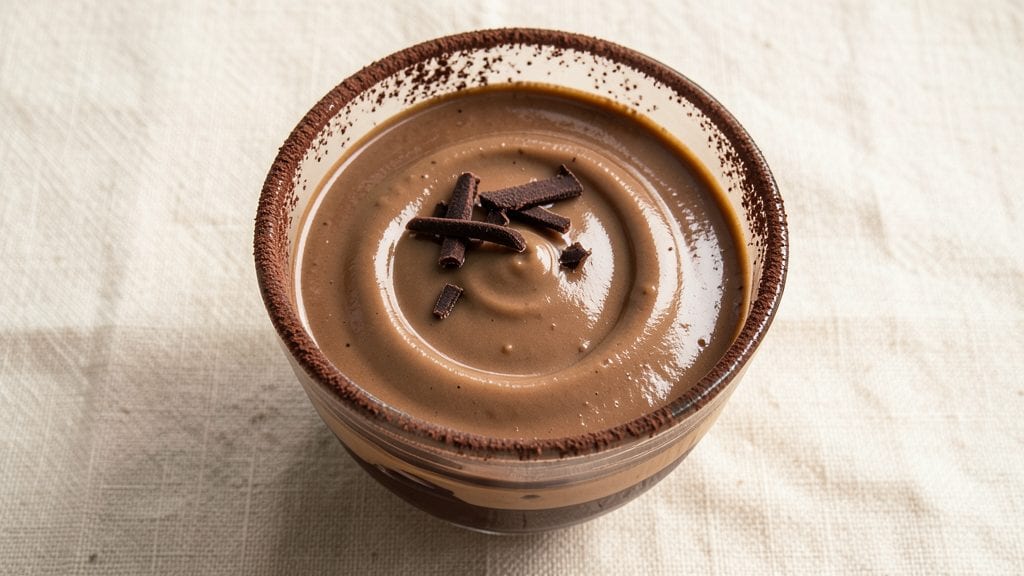
Creating traditional chocolate mousse with its signature silky texture and deep cocoa richness is an art worth mastering. The classic French method—whipped egg yolks and egg whites—delivers that signature lightness while preserving authentic flavor.
I’ve perfected this recipe over years of testing, ensuring every batch achieves the perfect balance between airy clouds and intense chocolate character.
The key lies in precise technique: tempering egg yolks with melted chocolate, then folding in stiffly whipped egg whites for structure. Chilling properly is non-negotiable—this step transforms the mousse from a wobbly mixture into a velvety masterpiece.
While traditional methods require patience, modern shortcuts like gelatin or whipped cream can adapt the texture without sacrificing depth.
What you’ll end up with is a dessert that’s dangerously addictive—smooth, glossy, and so rich it feels indulgent yet light enough to enjoy without guilt. The contrast of cool, creamy mousse against fresh berries or a dusting of cocoa powder makes it irresistible.
This recipe delivers restaurant-quality results at home, every time.
Serve in elegant glasses for dinner parties or individual ramekins for intimate gatherings. The possibilities for garnishes are endless—think whipped cream, chocolate shavings, or a sprinkle of sea salt. Let’s create something truly special.
Ingredients for traditional chocolate mousse
Nine essential ingredients create restaurant-quality traditional chocolate mousse with velvety texture and deep cocoa intensity.
| Ingredient | Amount | Notes |
|---|---|---|
| Extra-Dark Chocolate Bars 🍫 | 6 oz | 70% cocoa minimum, high-quality |
| Large Eggs 🥚 | 4 whole | Room temperature, separated |
| Granulated Sugar 🍚 | ½ cup | Fine grain preferred |
| Unsalted Butter 🧈 | 4 tbsp | European-style for richness |
| Heavy Cream 🥛 | 1 cup | 35% fat minimum |
| Vanilla Extract 🌿 | 1 tsp | Pure Madagascar preferred |
| Pinch of Salt 🧂 | ⅛ tsp | Fine sea salt |
| Unsweetened Cocoa Powder 🍫 | 2 tbsp | Dutch-processed for smoothness |
| Fresh Berries 🍓 | 1 cup | Optional garnish |
| Cocoa Powder 🍫 | 1 tbsp | For dusting, high-quality |
| Flour Sifter 🍰 | 1 whole | For cocoa powder |
The chocolate is non-negotiable—Valrhona or Lindt 70% bars deliver the richest flavor without bitterness. Whole eggs at room temperature whip more effectively, so remove them from the fridge 30 minutes before starting. For the butter, European-style (like Plugrá) melts more smoothly than American brands. The cocoa powder should be Dutch-processed (like Callebaut) to avoid acidity that can curdle the egg whites. Purchase these from specialty stores like Williams Sonoma or high-end grocery sections for optimal quality.
No vanilla extract? Seeds from one vanilla bean steeped in 1 tbsp warm water substitute perfectly. Running short on heavy cream? Half-and-half plus 1 tbsp melted butter mimics the fat content. For the sugar, turbinado or demerara adds subtle caramel notes if you prefer texture. The cocoa powder can be omitted if you're using only melted chocolate, but adding it creates that signature velvety mouthfeel. Always sift the cocoa powder through a fine-mesh sieve to eliminate lumps—this is critical for a silky texture.
This mousse must chill for at least 4 hours—overnight is ideal. Store in airtight containers with parchment between layers to prevent drying. Freezes beautifully for up to 3 months—thaw in the fridge overnight. For serving, dust with cocoa powder using a fine-mesh sieve for professional presentation. The berries should be added just before serving to maintain freshness and vibrant color contrast.
Why You'll Love This Recipe
- I’ll be real: this mousse only needs five ingredients and a whisk. Melt the chocolate, separate the eggs, and let the sugar buttercream do its magic—no fancy gadgets, just pure technique. Honestly, I’ve made it in my dorm kitchen with a fork and a saucepan.
- No Fuss, Big Payoff: I’ll be real: this mousse only needs five ingredients and a whisk. Melt the chocolate, separate the eggs, and let the sugar buttercream do its magic—no fancy gadgets, just pure technique. Honestly, I’ve made it in my dorm kitchen with a fork and a saucepan.
- Rich Without the Guilt: That extra-dark chocolate? It’s the star. The eggs add silkiness, but the buttercream layer—made with just sugar and butter—makes it velvety, not heavy. Here’s what sold me: it tastes like a decadent dessert, but the dark chocolate keeps it from being too sweet. (Yes, even on a Tuesday night.)
- Showstopper for Any Event: This isn’t just a dessert—it’s the one that impresses without effort. Serve it solo for a last-minute date night, or layer it with berries for a brunch crowd. I’ve used it for birthdays, holiday gifts, and even as a "I’m sorry I forgot your anniversary" make-it-up meal. The best part? It sets in the fridge, so you can prep ahead.
Step-by-step instructions for traditional chocolate mousse
Master this classic technique for velvety, airy mousse with intense chocolate flavor and perfect texture.
Melt Chocolate and Butter for a Smooth Base
Place the 6 oz extra-dark chocolate bars and 4 tbsp unsalted butter in a heatproof bowl set over a saucepan of simmering water, ensuring the bowl doesn't touch the water. Stir gently until both melt completely, creating a glossy, smooth mixture. Remove from heat immediately and let cool slightly—this prevents the eggs from scrambling when combined later.
The chocolate should reach 110°F (test by dipping a thermometer into the mixture). If it's too hot, let it cool for 2-3 minutes while you prepare the eggs. This step is critical for achieving that signature silky texture—any heat above 115°F will cook the egg yolks prematurely.
Whisk Egg Yolks and Sugar to Ribbon Stage
In a separate bowl, whisk the 4 whole large eggs and 0.5 cup granulated sugar over a double boiler (or a bowl set over simmering water) until the mixture reaches 160°F and forms soft peaks when the whisk is lifted. This process, called tempering, ensures the yolks emulsify properly with the chocolate.
You'll notice the mixture thicken and become pale—this is the "ribbon stage." It should coat the back of a spoon smoothly. If you're unsure, test by running a finger through the mixture: the trail should hold its shape briefly before dissolving. This precise temperature and texture are what create the mousse's signature lightness.
Combine Chocolate and Egg Mixtures Gradually
Slowly pour the tempered egg yolk mixture into the melted chocolate while whisking constantly. Add 1 tsp vanilla extract and 0.125 tsp pinch of salt, then continue whisking until the mixture is completely smooth and homogeneous. This gradual combination prevents the chocolate from seizing and ensures an even texture.
Next, sift 2 tbsp unsweetened cocoa powder through the flour sifter directly into the mixture while whisking vigorously. The cocoa powder should dissolve completely, deepening the chocolate's intensity. The final mixture should be thick but pourable—like heavy pudding. If it's too thick, whisk in 1 tsp heavy cream at a time until it reaches the proper consistency.
Whip Heavy Cream to Stiff Peaks
In a separate, chilled bowl, whip the 1 cup heavy cream to stiff peaks using a stand mixer or hand mixer. The cream should hold its shape when the beaters are lifted, forming a soft peak that slowly dissolves. Chilling the bowl prevents the cream from overheating, which can cause it to break.
Fold the whipped cream into the chocolate mixture using a spatula, working gently to maintain the airiness. Start by cutting through the center of the cream with the spatula, then folding the edges over the top. Repeat this process until fully combined—you should see no streaks of chocolate or cream remaining. This careful folding is what creates the mousse's signature light, airy texture.
Chill and Serve for Perfect Texture
Divide the mousse into 4 serving glasses and refrigerate for at least 4 hours, or until fully set. The mousse should be firm enough to hold its shape when inverted but still silky when cut. For an extra touch, dust the tops with 1 tbsp cocoa powder sifted through the flour sifter and garnish with 1 cup fresh berries before serving.
Serve immediately after removing from the refrigerator for the best texture. The mousse should be cool, creamy, and rich with chocolate flavor, with a delicate crunch from the berries and cocoa powder. If the mousse appears too firm, let it sit at room temperature for 10-15 minutes before serving—this restores its velvety consistency.
Pro Tips For Making Traditional Chocolate Mousse
- Temper Chocolate Properly: Chop the extra-dark chocolate into ½-inch pieces and melt it in a heatproof bowl over simmering water—never microwave. Stir every 30 seconds until it hits 110°F (43°C) max, or you’ll risk seizing the eggs later. I learned this the hard way when my mousse turned grainy after adding yolks.
- Separate Eggs Like a Pro: Crack eggs into a separate bowl first, then whisk yolks and whites separately. Use a fine-mesh sieve to strain yolks into the chocolate mixture—this removes any stray bits that’ll make your mousse look cloudy. Yes, it’s extra work, but the texture is smoother.
- Whip Cream to Stiff Peaks: Chill your mixing bowl and beaters for 10 minutes before whipping the heavy cream. Stop when the cream forms peaks that hold when the whisk is lifted—over-whipping makes it buttery, not light. I skip this step sometimes, and the mousse feels dense afterward.
- Fold in Stages: Add the whipped cream to the chocolate base in two additions, gently folding with a spatula in a figure-eight motion. Stop halfway to scrape the bowl’s sides—this ensures the cream doesn’t deflate and keeps the texture airy. Sounds weird, but it works every time.
Common mistakes when making perfect results
Overheating Chocolate
If your chocolate exceeds 115°F while melting, it will scramble the egg yolks when combined, creating a grainy texture. Always use a double boiler or microwave in 20-second bursts with stirring. I recommend testing the temperature with a candy thermometer—110°F is ideal for that perfect silky base. 🌡️
Overwhipping Egg Whites
Egg whites can turn rubbery if overwhipped, ruining the mousse's airy texture. Stop folding when they form stiff peaks—the tips should stand straight up but still dissolve slowly.
I use a KitchenAid stand mixer on medium-high speed for 2-3 minutes to avoid overworking. Overwhipped whites will create a dense, cake-like mousse instead of the signature lightness.
Skipping the Chill Time
Rushing the 4-hour chill results in a wobbly, under-set dessert. The mousse needs time for the egg proteins to fully set and the flavors to meld. I always prepare mine the night before—overnight chilling enhances the chocolate flavor and creates a firmer, more stable texture.
If you're in a hurry, set your mousse glasses in the freezer for 30 minutes before serving for a quicker set.
Uneven Mixing
Pouring the egg mixture too quickly into the chocolate causes lumps and uneven texture. Always whisk constantly while adding the eggs in a slow, steady stream. I use a heatproof silicone spatula to gently scrape the sides of the bowl, ensuring everything combines smoothly.
If you see streaks of chocolate or egg, it needs more folding—don't rush this step, or your mousse will taste unbalanced.
Using Cold Ingredients
Cold eggs or chocolate can cause the mixture to seize or separate. Let all ingredients—eggs, chocolate, and bowls—sit at room temperature for 30 minutes before starting. I place my eggs in warm water for 5 minutes to speed up the process.
Cold ingredients also slow down the emulsification, leading to a denser, less velvety texture. 🥚
Incorrect Cream Consistency
Using heavy cream that's not whipped to stiff peaks results in a runny mousse. If the cream is underwhipped, it won't hold its shape, and the dessert will collapse. Overwhipped cream, however, can create a dry, grainy texture.
I recommend whipping the cream in a chilled metal bowl to prevent overheating—this ensures the perfect balance of airiness and stability.
Nutrition facts
Frequently asked questions
Can I make this mousse without eggs?
Yes! For an egg-free version, replace the eggs with 6 oz melted dark chocolate and 1 cup whipped cream (35% fat). Add 2 tbsp cornstarch mixed with 2 tbsp water to thicken, then heat until thickened. Cool completely before folding in whipped cream. The texture will be slightly denser but still rich and creamy.
Why did my mousse turn grainy?
Graininess usually happens when the chocolate overheats above 115°F or when eggs are added too quickly. Always melt chocolate gently over a double boiler and temper egg yolks to 160°F first. If it happens, whisk in 1 tbsp warm water or melted butter to smooth it out.
How long will this keep in the fridge?
This mousse stays fresh for 3-4 days when stored in airtight containers with parchment between layers. For longer storage, freeze for up to 3 months. Thaw overnight in the fridge before serving to maintain texture. The flavor actually improves after 24 hours of chilling!
Can I use white chocolate instead?
White chocolate works but will change the flavor profile dramatically. Use 8 oz white chocolate (instead of 6 oz) and add 1 tbsp cocoa powder to maintain depth. The texture will be lighter and sweeter, but the signature chocolate intensity will be lost. For a hybrid version, blend half dark and half white chocolate.
What's the best way to serve it?
Serve in elegant ramekins or wine glasses for a sophisticated touch. Garnish with fresh berries, a dusting of cocoa powder, or a dollop of whipped cream. For extra flair, add edible gold leaf or crushed hazelnuts. The contrast of cool mousse with warm toppings enhances the experience!