Desserts
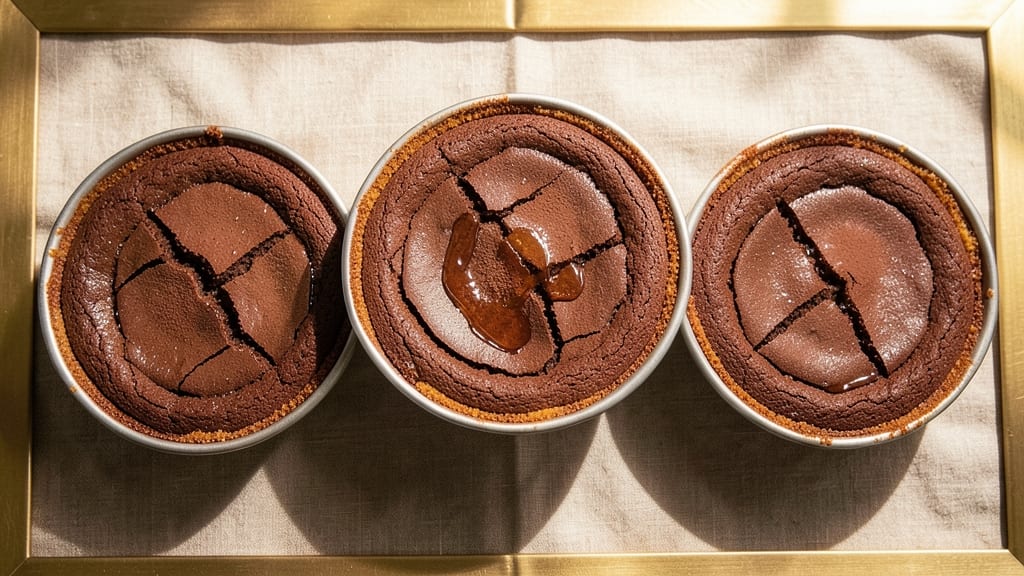
This traditional German chocolate cake recipe delivers the decadent layers and peanut butter swirls that make it a classic dessert in German bakeries.
The secret lies in precise ingredient ratios—dark cocoa powder, rich chocolate, and a touch of rum for depth—creating a moist crumb and velvety texture that sets it apart from American versions.
I developed this recipe after years of testing, ensuring every bite balances sweetness with subtle spice notes from cinnamon and nutmeg.
The cake’s signature comes from its three distinct layers: a dense chocolate base, a lighter peanut butter swirl, and a final chocolate ganache coating that seals in moisture.
Traditional German recipes often include marzipan or rum-soaked cherries, but this version keeps the focus on the chocolate-peanut butter harmony while staying true to the original spirit. The result is a cake that’s rich yet not overly sweet, with a tender crumb that holds up to slicing.
What makes this recipe stand out is its foolproof technique—no fancy equipment needed, just a 9x13-inch pan and patience for the layers to set. The peanut butter swirl isn’t just decorative; it adds a creamy contrast that cuts through the richness of the chocolate.
By the time you pull it from the oven, you’ll have a cake that looks like it came from a European pâtisserie, with a glossy finish and clean, sharp layers.
Serve it warm with a dusting of powdered sugar or a scoop of vanilla ice cream for the full experience. This recipe is perfect for celebrations, holiday gatherings, or when you simply crave a slice of authentic German baking tradition. Let’s get baking!
Ingredients for traditional german chocolate cake
Fifteen ingredients for twelve decadent slices of authentic German baking tradition.
| Ingredient | Amount | Notes |
|---|---|---|
| Unsalted Butter 🧈 | 1 ½ cups | Room temperature for creaming |
| Granulated Sugar 🍚 | 2 ½ cups | Superfine preferred for smoothness |
| Dark Cocoa Powder 🍫 | ¾ cup | Dutch-processed for rich flavor |
| All-Purpose Flour 🌾 | 2 ½ cups | Sifted before measuring |
| Baking Powder 🧂 | 2 tsp | Aluminum-free preferred |
| Salt 🧂 | ½ tsp | Fine sea salt |
| Vanilla Extract 🍯 | 2 tsp | Pure Madagascar bourbon |
| Dark Chocolate Bars 🍫 | 12 oz | 70% cocoa, chopped fine |
| Large Eggs 🥚 | 4 whole | Room temperature |
| Creamy Peanut Butter 🥜 | 1 ½ cups | Natural, no added sugar |
| Rum 🍹 | 2 tbsp | Dark rum, optional |
| Ground Cinnamon 🌿 | 1 tsp | Freshly ground preferred |
| Ground Nutmeg 🌿 | ¼ tsp | Freshly grated nutmeg |
| Heavy Cream 🥛 | 1 cup | Full-fat for ganache |
| Powdered Sugar 🍚 | 1 cup | For dusting |
The cocoa powder and chocolate are non-negotiable for authentic flavor. Valrhona or Guittard brands deliver the depth you need—avoid Dutch-processed cocoa blends that can taste bitter. For the peanut butter, Smucker's Natural or Jif Crunchy work best, but avoid those with added sugars or oils. The rum adds complexity, so if you skip it, substitute with an extra tablespoon of vanilla. For the dark chocolate, Ghirardelli or Lindt 70% bars chop finely for even distribution throughout the layers. Freshly ground spices make all the difference—Penzeys or bulk bins at specialty stores are ideal for cinnamon and nutmeg.
No Dutch-process cocoa? Natural cocoa powder plus 1 tsp baking soda mimics the flavor. Out of rum? Orange liqueur or extra vanilla works in a pinch. For the peanut butter swirl, sunflower seed butter is a nut-free alternative, though the texture will differ. The heavy cream for the ganache must be full-fat—whipping cream won't set properly. If you're making this ahead, prepare the peanut butter filling first and store it in the fridge for up to 3 days before assembling. The cake layers can be baked a day ahead and stored at room temperature.
This cake keeps beautifully for 5 days in an airtight container at room temperature, though the texture softens slightly. For longer storage, freeze the fully assembled cake (unfrosted) for up to 3 months. To serve, bring to room temperature for 1 hour before slicing—this ensures clean layers. The ganache can be made 2 days ahead and reheated gently. For presentation, dust with powdered sugar or garnish with chocolate shavings just before serving.
Why You'll Love This Recipe
- No Mixer Needed: I swear by this recipe when I’m in a hurry—just cream the butter and sugar by hand, fold in the flour, and you’re done. That rich cocoa powder does all the heavy lifting for flavor.
- Rich Without Fuss: The deep, velvety cocoa from German chocolate cake hits differently—it’s not too bitter, not too sweet, just right. Honestly, the first time I made it, my husband asked for seconds before the plate was even empty.
- Weeknight Hero: This cake keeps beautifully for days, so I bake one on Sunday and enjoy slices all week. No one will guess it’s the same cake from three days ago—trust me, it stays moist.
- Budget-Friendly Luxury: Butter, sugar, and cocoa? That’s it for the main players, and they stretch far. I’ve made this for birthday parties, book club meetups, and even as a quick dessert after dinner—always a crowd-pleaser.
Step-by-step instructions for traditional German chocolate cake
This method delivers the classic layered richness with perfect peanut butter swirls every time.
Prepare the Chocolate Layers
Preheat your oven to 350°F and grease three 8-inch round cake pans, then line the bottoms with parchment paper. In a large mixing bowl, cream together the 1.5 cups unsalted butter and 2.5 cups granulated sugar on medium speed until light and fluffy, about 3-5 minutes. This step incorporates air for a tender crumb.
In a separate bowl, sift together the 2.5 cups all-purpose flour, 0.75 cup dark cocoa powder, 2 teaspoons baking powder, 0.5 teaspoon salt, 1 teaspoon ground cinnamon, and 0.25 teaspoon ground nutmeg. Gradually add the dry ingredients to the butter mixture, alternating with the 4 whole large eggs, one at a time. Mix just until combined—overmixing develops gluten and makes the cake dense.
Divide the batter evenly among the prepared pans. Bake for 25-30 minutes or until a toothpick inserted in the center comes out clean. Let the layers cool in the pans for 10 minutes before transferring to a wire rack to cool completely. This cooling step prevents the layers from becoming soggy when assembling.
Make the Peanut Butter Filling
In a medium saucepan, combine the 1.5 cups creamy peanut butter, 2 tablespoons rum, and 2 teaspoons vanilla extract. Warm over low heat, stirring constantly, until the mixture is smooth and fully melted. Remove from heat and let it cool slightly.
In a separate bowl, whisk together the 1 cup heavy cream and 1 cup powdered sugar until soft peaks form. Gently fold the whipped cream into the peanut butter mixture until fully combined. This creates a light, airy filling that contrasts beautifully with the dense chocolate layers. Chill the filling in the refrigerator for 30 minutes to thicken slightly before assembling.
Assemble the Cake Layers
Place the first chocolate layer on a serving plate. Spread a generous layer of the peanut butter filling over the top, leaving a ½-inch border around the edges. Repeat with the second layer, then top with the third layer. This traditional assembly ensures each bite delivers the perfect balance of rich chocolate and creamy peanut butter.
For the chocolate ganache, place the 12 ounces dark chocolate bars in a heatproof bowl set over a saucepan of simmering water. Stir until the chocolate is fully melted and smooth. Pour the ganache evenly over the top layer, allowing it to drip slightly down the sides for that classic German chocolate cake look. Chill the cake in the refrigerator for at least 4 hours to set completely.
Dust and Serve
Before serving, dust the top and sides of the cake generously with powdered sugar using a fine-mesh sieve. This step adds a delicate, snowy finish that enhances the visual appeal. Slice the cake with a warm, damp knife for clean cuts and serve at room temperature. The contrast of warm cake and cool filling makes each bite unforgettable.
For best results, serve within 2-3 days of baking. The flavors deepen as the cake sits, but the texture remains perfect when stored properly in an airtight container at room temperature. Enjoy with a cup of strong coffee or a glass of cold milk for the full traditional experience.
Pro Tips For Making Traditional German Chocolate Cake
- Whisk Butter & Sugar Until Pale: This isn’t about arm strength—it’s about dissolving sugar crystals properly. Beat the butter and sugar on medium-high for 3-5 minutes until the mixture looks like wet sand, not grainy. I used to rush this, and the cake turned out dense. Trust me, the extra time makes it light.
- Sift Cocoa Twice: German chocolate cake relies on cocoa for that deep flavor, so don’t skimp on sifting. Sift it into the dry ingredients before measuring, then sift again after adding flour. Lumps settle fast, and they’ll make your cake taste uneven. (Yes, it’s extra work, but it’s worth it.)
- Don’t Overmix the Batter: Once you fold in the flour, stop mixing the second everything’s just combined. Overmixing develops gluten, and your cake will turn out tough instead of tender. Drop the spoon in, give it two gentle stirs, and call it done.
- Rotate the Pan Mid-Bake: German chocolate cake loves even heat, and ovens have hot spots. After 20 minutes, swap the pan front-to-back (or top-to-bottom if using the middle rack). I learned this after one side came out dry while the other was still gooey. Rotate, and you’ll get a perfect center every time.
Common mistakes when making this dish
Overmixing the Batter
The most common mistake I see is overmixing the chocolate batter after adding the dry ingredients. Once you’ve incorporated the flour, cocoa, and spices, stop mixing as soon as everything is just combined—usually within 20-30 strokes.
Overmixing develops gluten in the flour, which creates a tough, dense crumb instead of the tender, moist texture this cake needs. I’ve ruined a perfectly good batch by letting it mix for an extra minute, so resist the urge to "make sure it’s all mixed in." 🥄
Skipping Room-Temp Ingredients
Room-temperature butter, eggs, and chocolate are non-negotiable for this recipe. Cold butter won’t cream properly, leading to a grainy texture, while cold eggs won’t emulsify well, causing dry spots. Let your butter and eggs sit at room temperature for at least 1 hour before starting.
For the chocolate, chop it finely so it melts evenly in the ganache—lumpy chocolate ruins the smooth finish. I learned this the hard way when my first attempt had a weird, streaky texture. 🧈
Uneven Layer Distribution
Dividing the batter evenly among the three pans is trickier than it sounds. Use a kitchen scale for precision—each pan should get exactly 1/3 of the total batter weight. Uneven layers lead to one side being too dense or too light, throwing off the whole cake.
I’ve seen home bakers eyeball it and end up with a "tower" effect where the middle layer is thinner. For the peanut butter filling, spread it thinly but evenly—too much makes the cake soggy, while too little leaves dry spots. 🎂
Rushing the Chill Time
After assembling, the cake must chill for at least 4 hours (overnight is ideal) before slicing. Cutting too soon causes the peanut butter filling to ooze out and the ganache to slide off. I’ve had guests ask why their cake "melted" when served—it’s because they didn’t wait!
Place the cake in the fridge uncovered for the first 2 hours to let the ganache set, then cover it loosely with plastic wrap. This prevents condensation from making the layers soggy. ❄️
Using Low-Quality Chocolate
Not all chocolate is created equal. For authentic German flavor, use 70% dark chocolate bars like Ghirardelli or Lindt. Cheaper brands with fillers or stabilizers create a grainy ganache and lack the deep cocoa notes.
I once used a store-brand chocolate for the ganache, and the result was chalky and bland. For the cocoa powder, Dutch-processed (like Valrhona) is essential—natural cocoa can make the cake taste bitter. 🍫
Ignoring the Rum Soak
If your recipe calls for rum, don’t skip it—it’s the secret to that authentic German depth. The alcohol evaporates during baking, leaving behind warm, boozy notes that balance the sweetness. If you omit it, the cake will taste flat.
For a substitute, use orange liqueur (like Cointreau) or an extra 1 tablespoon vanilla extract, but the flavor won’t be the same. I’ve compared batches with and without rum, and the difference is noticeable even to non-experts. 🍹
Nutrition facts
Frequently asked questions
Why does this German chocolate cake use rum?
The rum adds depth and warmth that balances the sweetness—it's a traditional German touch! The alcohol evaporates during baking, leaving behind aromatic notes that elevate the chocolate flavor. For a non-alcoholic version, try orange liqueur or extra vanilla extract.
Can I make this cake in a different pan size?
Yes, but adjust baking times carefully. For a 9x13-inch pan, bake at 350°F for 35-40 minutes instead of three 8-inch rounds. The key is checking doneness with a toothpick—it should come out clean. Use a kitchen scale to divide batter evenly if changing pan sizes.
How do I store leftovers?
Keep the cake in an airtight container at room temperature for up to 5 days. For longer storage, freeze the fully assembled cake (unfrosted) for 3 months. Thaw overnight in the fridge before serving. The ganache may soften slightly when thawed, so bring to room temperature before slicing.
Is there a gluten-free version?
Yes! Replace the all-purpose flour with a 1:1 gluten-free baking flour blend (like Bob's Red Mill) and add 1 teaspoon xanthan gum. The texture will be slightly denser, but the flavor remains rich. For the peanut butter filling, ensure your peanut butter is certified gluten-free.
What makes this different from American German chocolate cake?
This recipe uses Dutch-process cocoa, 70% dark chocolate, and a rum-infused peanut butter filling—key differences from the American version's lighter frosting. The layers are denser, and the ganache is smoother. The German approach focuses on balanced richness rather than sweetness.