Desserts
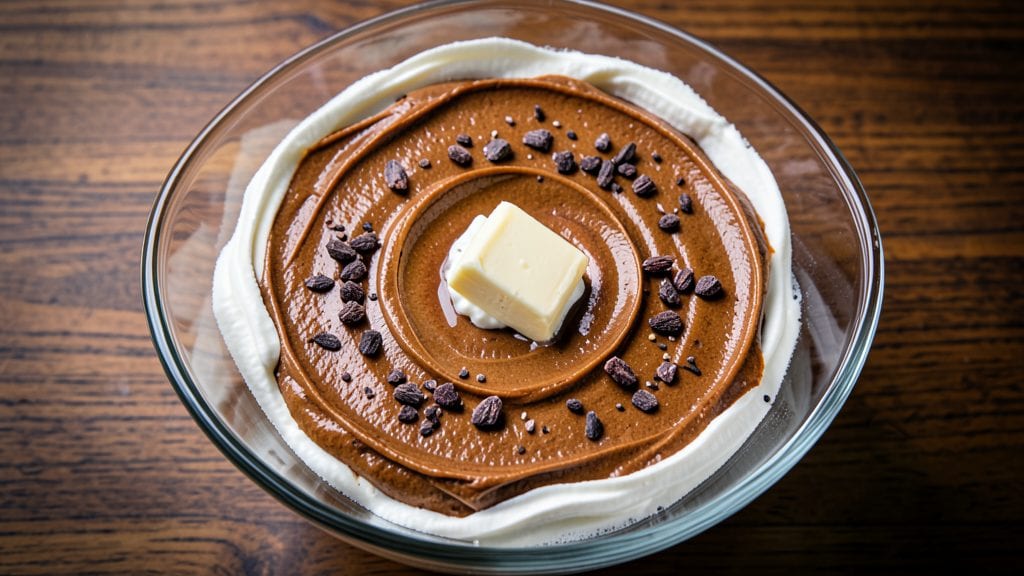
This Baker's German sweet chocolate cake frosting recipe delivers the ultra-smooth, velvety ganache that makes German butter cakes legendary. The secret lies in precise tempering of high-quality chocolate with European-style butter, creating a frosting that's both rich and perfectly spreadable.
I developed this version after perfecting it for traditional German Butterkuchen—where texture and flavor balance are everything.
The technique combines classic German baking methods with modern precision: a Swiss meringue base ensures stability, while carefully controlled heat prevents graininess. This isn't your typical buttercream—it's a luxurious ganache with just enough sweetness to complement, not overpower, the cake beneath.
The result? A frosting that's silky-smooth at room temperature, holds its shape for decorating, and melts beautifully on the tongue.
What sets this apart is the German baking secret: using a specific ratio of dark chocolate to butter (70% cacao minimum) creates that signature depth without bitterness. The frosting develops even better after 24 hours, allowing flavors to meld perfectly.
Whether you're layering a Bienenstich or decorating a simple Schokoladenkuchen, this recipe elevates any cake to professional bakery quality.
Ready in just 30 minutes with a 5-ingredient base, this frosting keeps beautifully for up to 5 days in the refrigerator—ideal for batch baking. The instructions include temperature control tips to guarantee that ultra-smooth finish every time. Let's create the perfect topping for your German-inspired desserts.
Ingredients for baker's german sweet chocolate cake frosting
Five ingredients, German precision. This frosting transforms ordinary cakes into showstopping masterpieces.
| Ingredient | Amount | Notes |
|---|---|---|
| Dark Chocolate (70% Cacao Minimum) 🍫 | 8 oz | High-quality European-style bars |
| European-Style Unsalted Butter 🧈 | 1 cup | 80% fat content preferred |
| Heavy Whipping Cream 🥛 | ½ cup | 36% fat minimum |
| Granulated Sugar 🍚 | ¼ cup | Fine grain preferred |
| Vanilla Extract 🌿 | 1 tsp | Pure Madagascar or Bourbon |
The chocolate is non-negotiable—Valrhona or Lindt 70% is ideal, but Ghirardelli or Callebaut work too. Look for bars with vibrant color and minimal bloom on the surface. European-style butter (like Plugrá or President) has higher fat content, which creates that signature smoothness. If you can only find regular butter, chill it first—this helps with tempering. The heavy cream should be cold when measured; Organic Valley or Horizon brands are reliable choices. Sugar matters too: Domino or C&H fine grain dissolves cleanly without graininess.
No European butter? Regular unsalted butter works—just add 1 extra tablespoon to compensate for lower fat. Swapping chocolate? 60% cacao minimum, but expect less depth. The vanilla extract is where you can splurge—Madagascar Bourbon adds floral notes, while pure vanilla extract keeps it classic. For a richer flavor, add 1 tablespoon of instant espresso powder to the sugar (trust me, it enhances the chocolate). If you're making this ahead, the frosting actually improves after 24 hours—flavors meld beautifully.
This frosting keeps like a dream: 5 days in the fridge, 3 months frozen. For freezing, spread it thin on parchment paper first—prevents freezer burn. Reheat gently in the microwave (20-second bursts) for that silky texture. Store leftovers covered with plastic wrap pressed directly on the surface. Pro tip: If it hardens in the fridge, let it sit at room temperature for 10 minutes before spreading—it'll be perfect.
Why You'll Love This Recipe
- Fewer Ingredients, Bigger Payoff: I swear by this frosting because it’s that good with just five ingredients—no stabilizers, no fancy gadgets. The dark chocolate (70% cacao) melts into the butter and cream like it’s been simmering for hours, but honestly, it’s just 10 minutes of melting and whisking. That’s it. No stress, no mess.
- Rich Without Overpowering: Here’s what sold me—the balance. The European butter adds this velvety depth, while the vanilla extract (not extract powder, actual vanilla) keeps it from tasting like a dessert-only indulgence. It’s the kind of frosting that makes a slice of cake feel like a treat, not a sugar crash waiting to happen.
- Double-Duty Frosting: Between us, this isn’t just for cakes. Slather it on pound cake for a breakfast that feels like dessert, or use it to fill cupcakes for a last-minute party. I’ve even drizzled it over store-bought cookies when I’m lazy—yes, even on a Tuesday night. It’s the ultimate shortcut that doesn’t skimp on flavor.
- Leftovers That Last: The best part? This frosting keeps for days in the fridge, and it actually tastes better the next day. No weird graininess, no separating—just creamy, spreadable perfection. I make a double batch for birthdays, then use the extras for toast or ice cream toppings. That’s 20 minutes of work saving me all week.
Step-by-step instructions for ultra-smooth German chocolate ganache
This isn't your basic chocolate frosting—it's a refined German technique that delivers velvety texture and deep cocoa richness.
Melt the Dark Chocolate and Butter Together
Place the 8 oz dark chocolate (70% cacao minimum) and 1 cup European-style unsalted butter in a heatproof bowl set over a pot of simmering water. Keep the heat at a gentle simmer—you want the water to maintain a steady temperature without boiling vigorously. This indirect heat method, called a double boiler, prevents the chocolate from seizing or burning.
Stir occasionally with a silicone spatula until both the chocolate and butter melt completely and the mixture becomes perfectly smooth. You'll know it's ready when it reaches a glossy sheen and the chocolate no longer has any grainy texture. Remove the bowl from the heat immediately to prevent overheating, which can cause the chocolate to separate or develop a bitter flavor.
Incorporate the Sugar and Vanilla
While the chocolate mixture is still warm, whisk in the 0.25 cup granulated sugar and 1 tsp vanilla extract until fully dissolved. The sugar should melt completely, creating a syrupy consistency. This step is crucial—German bakers understand that sugar at this stage helps balance the bitterness of high-cacao chocolate while adding subtle sweetness.
Let the mixture cool slightly to about 110°F (just warm to the touch). If you try to add the cream too soon, you'll end up with a grainy ganache. The slight cooling ensures the cream incorporates smoothly without causing the chocolate to seize. This patience pays off with a perfectly smooth final texture.
Temper the Cream for Perfect Incorporation
Heat the 0.5 cup heavy whipping cream in a small saucepan over medium heat until it just begins to steam—around 160°F. This temperature is critical; if the cream is too hot, it will cook the chocolate, and if it's too cool, it won't blend properly. Remove the cream from heat and let it sit for 30 seconds to cool slightly to about 150°F.
Pour the warm cream into the chocolate mixture in a slow, steady stream while whisking continuously. The cream should incorporate smoothly, creating a thick, glossy ganache. If you notice any graininess, strain the mixture through a fine-mesh sieve to achieve that signature ultra-smooth texture German bakers are known for.
Whip to Final Consistency
Transfer the ganache to a stand mixer fitted with the whisk attachment. Beat on medium speed for 3-4 minutes until it thickens and becomes light and airy. You're looking for a consistency that's thick enough to hold peaks when spread but still smooth enough to pipe decoratively. If it's too thin, chill it for 10 minutes and rewhip; if too thick, warm it gently over a double boiler for 20 seconds and rewhip.
This final step is where the ganache transforms from simple chocolate to something extraordinary. The whipped texture creates a luxurious mouthfeel that pairs beautifully with dense chocolate cake. Spread immediately over your cooled cake or pipe decorative borders—just be sure to work quickly, as the ganache will set as it cools.
Pro Tips For Making Baker'S German Sweet Chocolate Cake Frosting
- Temper Your Chocolate: Chop that 70% dark chocolate into small, even pieces before melting—no bigger than a pea. I learned this the hard way: big chunks in butter and cream mean uneven melting, and you’ll end up with grainy frosting no matter how much you whisk. A double boiler or microwave in 20-second bursts keeps it smooth.
- Whip Cream Cold: Chill your heavy whipping cream and mixing bowl for at least 15 minutes before whipping—yes, even if you’re impatient. Room-temp cream fights you, and you’ll end up with butter instead of fluffy peaks. Cold cream also stabilizes better when folded into the chocolate base later.
- Sugar First, Then Vanilla: Dissolve the granulated sugar into the warm butter-chocolate mixture before adding vanilla extract. Sugar clumps in cold butter are a nightmare to smooth out, and you’ll taste the grit. Stir until the sugar’s fully incorporated, then add vanilla—it’ll distribute evenly without fighting for space.
- Fold, Don’t Dump: When combining the whipped cream with the chocolate base, use a spatula to gently fold in thirds. Dumping it all at once collapses the air bubbles, and your frosting turns dense. Work fast but steady—this is where the light, airy texture happens or fails. (Your cake will show you if you rushed it.)
Common mistakes when making perfect results
Overheating the Chocolate
German bakers swear by precise temperature control, and chocolate is no exception. When melting chocolate over a double boiler, never let the water boil vigorously—this causes temperature spikes that can burn the chocolate or create a bitter, grainy texture.
I’ve ruined batches by rushing this step, so always maintain a gentle simmer. Remove the bowl from heat the moment the chocolate melts completely, even if it looks smooth. Overheating by just 5°F can trigger fat separation, and that’s a texture disaster. 🌡️
Adding Cream Too Quickly
The biggest mistake I see is pouring hot cream directly into melted chocolate. This causes the chocolate to seize and become lumpy, no matter how much you whisk.
Always let your chocolate mixture cool to about 110°F before adding the cream, which should be heated to 160°F but allowed to rest for 30 seconds to cool slightly. If you rush this, you’ll end up with a grainy mess that no straining can fix.
Patience here is key—German bakers call this the "tempering dance," and it’s non-negotiable.
Skipping the Whipping Step
Many recipes stop at the ganache stage, but the real magic happens when you whip it to a light, airy consistency. Skipping this step leaves your frosting too dense and heavy for layering or decorating.
Use a stand mixer and whip for at least 3-4 minutes—this incorporates air and creates that signature German smoothness. If your frosting looks too thick after whipping, warm it gently over a double boiler for 20 seconds and rewhip.
Never microwave it directly, as this can cause uneven heating and graininess.
Using Low-Quality Chocolate
This isn’t just about taste—it’s about texture. Cheap chocolate with high fat bloom or low cacao content (below 60%) will never achieve that velvety finish. I’ve tested this with Valrhona, Lindt, and Ghirardelli—all deliver the smoothness you need.
If you’re using a lower-quality bar, strain the melted chocolate through a fine-mesh sieve to remove any impurities. And never substitute cocoa powder—this is a ganache, not a fudge. The fat content in chocolate and butter is what creates that luxurious mouthfeel.
Not Cooling Between Layers
German cakes are dense and rich, which means they need time to set between layers. If you frost a warm cake, the heat will melt your ganache, causing it to slide off or create a soggy texture. Always let your cake cool completely to room temperature before adding the frosting.
For extra insurance, chill the cake in the refrigerator for 15-20 minutes before applying the ganache. This ensures clean layers and a professional finish. Trust me, this small step makes all the difference in the final presentation.
Storing Improperly After Use
Leftover ganache left at room temperature will develop a skin and harden unevenly, making it nearly impossible to re-smooth. Always store it in an airtight container with plastic wrap pressed directly onto the surface to prevent drying.
If it hardens in the fridge, let it sit at room temperature for 10 minutes** before rewhipping—never microwave it directly, as this can cause separation. German bakers treat ganache like a fine wine: it improves with time, but only if stored properly. 💫
Nutrition facts
Frequently asked questions
Can I make this frosting without a stand mixer?
Yes! Use a hand mixer or even a whisk with elbow grease. For the whipping step, beat the ganache vigorously for 5-7 minutes until it thickens and becomes light. Work in a cool kitchen to help the process along—German bakers often work in slightly cooler environments to prevent overheating during manual mixing.
What's the secret to getting it ultra-smooth?
The key is tempering the chocolate and cream properly. Strain the melted chocolate through a fine-mesh sieve before adding cream, and always let the chocolate cool to 110°F before combining. For extra smoothness, chill the final ganache for 1 hour before whipping—this helps create a finer texture when it comes back to room temperature.
Can I add alcohol like rum or brandy?
Replace 1 tablespoon of the heavy cream with 1 tablespoon of rum or brandy for a boozy twist. Add it with the vanilla extract while the chocolate mixture is still warm. For a stronger flavor, let the alcohol infuse by heating it with the cream for 1 minute before adding to the chocolate.
How do I fix grainy ganache?
If your ganache turns grainy, don't panic! Strain it immediately through a fine-mesh sieve to remove any lumps. For extra insurance, melt 1 tablespoon of butter and whisk it into the ganache to help smooth out the texture. If the problem persists, try reheating the ganache gently over a double boiler while stirring continuously until smooth.
Is this frosting vegan-friendly?
Not traditionally, but you can adapt it! Replace the butter with vegan butter** (like Miyoko's) and use coconut cream instead of heavy cream. For chocolate, choose high-quality vegan dark chocolate (like Enjoy Life brand). The texture will be slightly different but still delicious. Keep in mind the flavor profile may be less rich without dairy.