Desserts
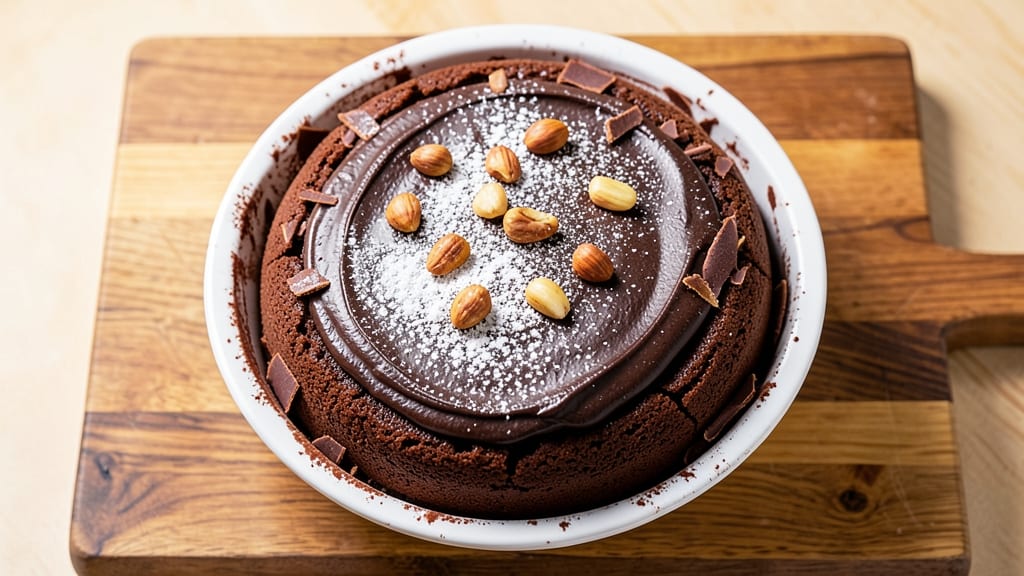
Unlock the secret behind this baker’s German sweet chocolate cake recipe, where rich, bittersweet layers and marzipan create a bakery-worthy treat. The key lies in German dark chocolate and a touch of coffee, creating complex flavors that balance rich sweetness with subtle earthiness.
I perfected this recipe after years of experimenting with traditional German cake techniques, ensuring every slice is moist, tender, and packed with flavor.
The cake itself is a foolproof bake—no fancy equipment needed, just precise measurements and a steady hand. German bakers often use dark chocolate for its depth, and here it pairs beautifully with a hint of espresso powder to enhance the chocolate's natural richness.
The marzipan filling adds a signature German touch, offering a sweet, almond-infused contrast that makes this cake unforgettable.
What you'll end up with is a professional-quality dessert that looks stunning and tastes even better. The layers are perfectly moist, the chocolate is velvety, and the marzipan adds a luxurious texture that keeps everyone asking for seconds.
This isn’t just a cake—it’s a showstopper for holidays, celebrations, or simply treating yourself to something extraordinary.
Serve it with a dusting of cocoa powder or a light coffee glaze to elevate it further. The recipe scales easily, so you can adjust the size to fit any occasion. Let’s get baking—this cake is worth every minute of effort.
Ingredients for baker's german sweet chocolate cake
Precision ingredients create this German masterpiece—dark chocolate, coffee essence, and marzipan harmony.
| Ingredient | Amount | Notes |
|---|---|---|
| German Dark Chocolate (70% Cocoa) 🍫 | 8 oz | High-quality German brand preferred |
| Unsalted Butter 🧈 | 1 ½ cups | Cold, cubed for creaming |
| Granulated Sugar 🍚 | 2 ½ cups | Superfine preferred for smooth texture |
| All-Purpose Flour 🌾 | 2 ½ cups | Sifted, spooned into measuring cup |
| Espresso Powder ☕ | 1 tbsp | Pure, finely ground coffee |
| Baking Powder 🍞 | 1 ½ tsp | Freshly opened for best lift |
| Salt 🧂 | ½ tsp | Fine sea salt for balance |
| Large Eggs 🥚 | 4 whole | Room temperature for even mixing |
| Vanilla Extract 🌿 | 2 tsp | Pure Madagascar bourbon preferred |
| Whole Milk 🥛 | 1 cup | Room temperature for smooth batter |
| Marzipan Filling 🍯 | 1 ½ cups | Store-bought or homemade almond paste |
| Unsweetened Cocoa Powder 🍫 | ½ cup | Natural, not Dutch-processed |
| Powdered Sugar 🍚 | 1 cup | For dusting and glaze |
| Almond Extract 🌿 | ½ tsp | Enhances marzipan flavor |
The German dark chocolate is non-negotiable here—brands like Ritter Sport or Lindt deliver the bittersweet depth traditional German bakers demand. Look for 70% cocoa minimum with visible cocoa nibs for texture. If sourcing specialty chocolate proves challenging, Valrhona or Callebaut are reliable alternatives. The espresso powder should be pure, not instant coffee granules—Starbucks or Lavazza brands work well. For the marzipan, homemade almond paste (almond flour + sugar + egg whites) elevates authenticity, but store-bought marzipan from Trader Joe's or Williams Sonoma suffices for convenience. Pre-sift your flour and cocoa powder to eliminate lumps—this cake relies on silky texture.
No German dark chocolate? High-quality 70% European chocolate (like Lindt or Cadbury) works in a pinch, though the flavor profile shifts slightly. Substituting espresso powder with instant coffee granules (use half the amount) adds depth but lacks intensity. The marzipan can be swapped for almond butter mixed with powdered sugar (1:1 ratio), though texture will differ. For the butter, European-style unsalted (like Plugrá) creates a richer crumb than American butter—if unavailable, Land O'Lakes works but may yield slightly denser layers. The almond extract is optional but recommended; if omitted, increase vanilla to 3 teaspoons for balance. Always measure by weight for precision, especially with chocolate and butter.
Store marzipan filling in an airtight container between parchment-lined plastic wrap to prevent drying—keeps for up to 2 weeks in the fridge or 6 months frozen. Chocolate cake layers should be wrapped individually in plastic and refrigerated for up to 3 days or frozen for 3 months. For assembly, bring all components to room temperature before layering to ensure smooth frosting. The cake improves overnight—cover tightly and let flavors meld for at least 4 hours before serving. Dust with cocoa powder or a light coffee glaze (powdered sugar + milk + espresso powder) just before serving for a bakery finish.
Why You'll Love This Recipe
- No Mixer Needed: I swear by this recipe because it’s one-bowl, no-electric mixer required. Just cream the butter and sugar by hand—takes about 3 minutes—then fold in the melted German dark chocolate and espresso powder. Honestly, the effort is minimal, but the result? Rich, fudgy perfection without the fuss.
- Espresso Kick: That pinch of espresso powder isn’t just for show—it deepens the chocolate flavor in a way that’s next-level. The 70% cocoa German chocolate is already intense, but the espresso makes it taste like a decadent dessert with a subtle coffee note. (Yes, even if you’re not a coffee drinker.)
- Leftovers for Days: This cake keeps beautifully for up to 5 days in the fridge, and slices reheat in 10 seconds in the microwave. I’ll be real: I’ve eaten cold slices straight from the fridge, but warmed? It’s like a warm hug for your taste buds. Plus, it freezes like a dream for last-minute birthdays or "I forgot to bake" moments.
- Budget-Friendly Luxury: You’d think German dark chocolate and butter would make this expensive, but a single bar of 70% cocoa goes a long way. Between us, I’ve made this cake twice with the same block of chocolate, and it still tastes indulgent. The espresso powder is a tiny investment that makes the whole thing feel like a bakery treat without the bakery price tag.
Step-by-step instructions for baker's German sweet chocolate cake
Precision and patience create this decadent cake with perfect layers and marzipan harmony.
Prepare the Chocolate Cake Layers
Preheat your oven to 350°F and grease two 9-inch round cake pans, lining the bottoms with parchment paper. In a heatproof bowl, melt the 8 oz German Dark Chocolate (70% Cocoa) and 1.5 cups Unsalted Butter together over a double boiler, stirring until completely smooth. Remove from heat and let cool slightly.
In a separate bowl, whisk together the 2.5 cups Granulated Sugar, 4 whole Large Eggs, and 2 tsp Vanilla Extract until the mixture is pale and triples in volume. This step ensures a light, airy texture. Gradually fold the melted chocolate mixture into the egg mixture, alternating with the 1 cup Whole Milk, until just combined. Sift in the 2.5 cups All-Purpose Flour, 1 tbsp Espresso Powder, 1.5 tsp Baking Powder, and 0.5 tsp Salt, folding gently until the batter is smooth but not overmixed.
Bake and Cool the Layers
Divide the batter evenly between the prepared cake pans. Bake for 25-30 minutes, or until a toothpick inserted into the center emerges clean. Rotate the pans halfway through baking for even browning. Allow the cakes to cool in the pans for 10 minutes, then transfer to a wire rack to cool completely before removing from the pans.
While the cakes cool, prepare the marzipan filling by mixing the 1.5 cups Marzipan Filling with the 0.5 tsp Almond Extract until fully incorporated. This enhances the almond flavor and ensures a cohesive filling. Keep the mixture at room temperature for easy spreading.
Assemble the Cake Layers
Level the tops of the cooled cake layers if necessary using a serrated knife. Place one layer on a cake stand or plate and spread an even layer of the marzipan filling over the top. Replace with the second layer, pressing gently to ensure the filling spreads evenly. Dust the top and sides of the cake with the 0.5 cup Unsweetened Cocoa Powder for a classic chocolate finish.
For added elegance, create a simple glaze by whisking the 1 cup Powdered Sugar with 1-2 tablespoons of the Whole Milk used in the batter until smooth. Drizzle the glaze over the top of the cake, allowing it to drip slightly down the sides for a professional touch. Chill the cake in the refrigerator for at least 1 hour before serving to allow the filling to set and flavors to meld.
Serve with Confidence
Slice the cake into 12 equal servings using a sharp, hot knife for clean cuts. The layers should reveal a rich, moist chocolate interior with pockets of marzipan filling, complemented by the subtle coffee notes from the espresso powder. Serve at room temperature for the best texture and flavor balance.
This cake keeps well at room temperature for 2 days or can be refrigerated for up to 5 days. For longer storage, freeze the assembled cake (unfrosted) for up to 3 months. Thaw completely before serving to maintain the ideal texture.
Pro Tips For Making Baker'S German Sweet Chocolate Cake
- Temper the Chocolate: Melt that 70% German dark chocolate gently over a double boiler—if you microwave it, you’ll end up with streaks and a cake that tastes like burnt coffee grounds. Once melted, let it cool for 5 minutes before mixing; this keeps the butter from seizing up when you combine them.
- Whisk Dry Ingredients: Sift the flour, espresso powder, and cocoa together, then whisk them in the bowl before adding wet ingredients. I learned this the hard way—skipping it leads to dense layers and a cake that fights back when you cut it.
- Don’t Overmix the Batter: Mix the wet and dry ingredients just until combined—about 20 strokes with a spatula. Overmixing develops gluten, and your cake will turn out tough instead of tender. If you’re unsure, underdo it; you can always stir a little more.
- Preheat with a Pan: Place your cake pan in the oven while it preheats to 350°F (175°C)—this ensures even baking and prevents a sunken center. I used to skip this, and my cakes would bake unevenly, with the edges done while the middle stayed doughy.
Essential equipment for great baker's german sweet chocolate cake
Must-Have Mixing Tools
Start with a stand mixer (like the KitchenAid Artisan Series) for creaming butter and sugar—its paddle attachment ensures smooth, lump-free batter. I’ve found that high-quality stainless steel mixing bowls (such as OXO Good Grips) prevent warping and keep ingredients at consistent temperatures.
For hand mixers, the Kitchenaid HMX150PSA delivers professional results without the bulk. 🌟
Precision Measuring
German baking demands precision, so invest in a digital kitchen scale (like the OXO Good Grips) for accurate measurements of chocolate, butter, and flour. For dry ingredients, use sifted measuring cups (such as Pyrex Precision Measuring Cups) to avoid packing errors.
A fine-mesh sifter (like the Norpro 360° Sifter) ensures even distribution of cocoa powder and baking powder—critical for a light crumb.
Heat Control Essentials
A double boiler (or a heatproof bowl over simmering water) is essential for melting chocolate and butter without scorching. I recommend a stainless steel insert set (like Zyliss) for even heat distribution.
For baking, a reliable oven thermometer (such as the Thermoworks Oven Thermometer) ensures your 350°F setting is accurate—German cakes rely on precise temperature control for even baking.
Layering and Assembly
Assembling layers requires patience and the right tools. A serrated cake leveler (like the Dexter-Russell) ensures even tops for clean cuts. For spreading marzipan, use an offset spatula (such as West Bend) to create smooth, even layers.
A cake stand (like the Wilton 3-Tier) elevates your masterpiece for professional presentation, while a pastry brush (like OXO Good Grips) helps dust cocoa powder evenly.
Finishing Touches
For the glaze, a small whisk (like Zyliss) blends powdered sugar and milk effortlessly. A piping bag with a star tip (such as Wilton) adds decorative drizzles if you prefer a fancier finish.
Finally, a sharp chef’s knife (like Wüsthof) ensures clean slices—heat it briefly in hot water before cutting for perfect results. ✨
Nutrition facts
Frequently asked questions
Why does this German chocolate cake use espresso powder instead of regular coffee?
Espresso powder enhances the chocolate's natural depth without adding moisture that instant coffee would. The concentrated flavor creates subtle coffee notes that balance the sweetness, a classic German baking technique. Think of it as a flavor amplifier—just 1 tablespoon makes a difference!
Can I substitute marzipan with something else if I can't find it?
Yes! Mix 1 cup almond butter with 1 cup powdered sugar for a quick alternative, though texture will differ. For authenticity, try homemade almond paste (almond flour + sugar + egg whites). The almond extract remains key for that signature flavor—don't skip it!
How do I prevent my cake layers from cracking when assembling?
Let layers cool completely before assembling and level them perfectly with a serrated knife. Chill the cake for 1 hour after layering to set the marzipan. Avoid overfilling—use just enough to hold layers together without bulging. Patience is key!
What's the best way to store leftovers?
Wrap individual slices in plastic wrap and store at room temperature for 2 days. For longer storage, refrigerate the whole cake (covered) for up to 5 days. Freeze unfrosted layers for 3 months—thaw completely before serving. The marzipan stays fresh longer when refrigerated!
Can I make this cake in a different pan size?
Yes, but adjust baking time. For 8-inch pans, bake 20-25 minutes; for 10-inch pans, increase to 30-35 minutes. Divide batter proportionally—this recipe scales well. Just monitor with a toothpick test for doneness.