
Desserts
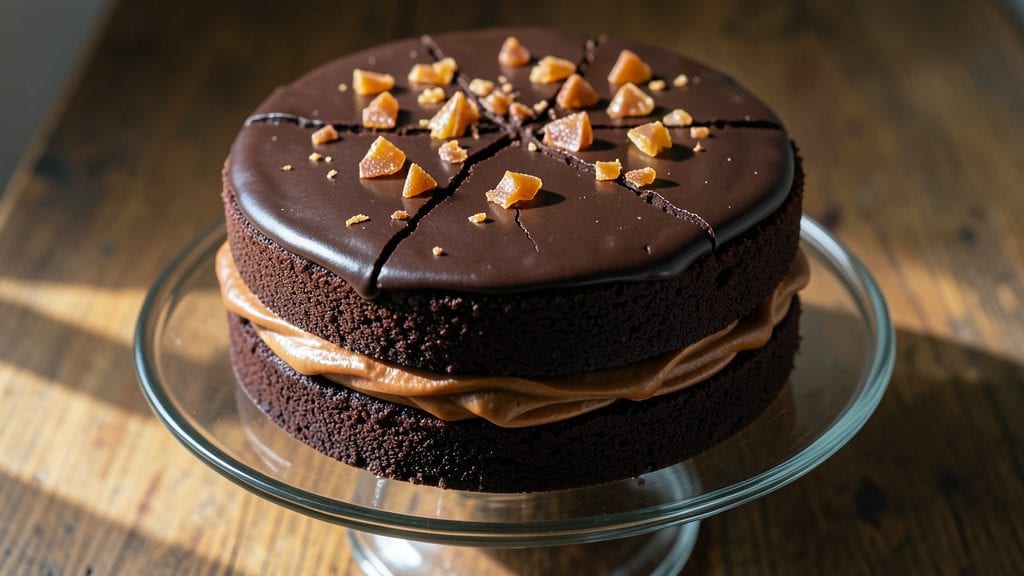
This chocolate cake recipe without buttermilk and baking powder leverages a clever coating system of citric acid to redefine moisture—yielding layers so tender they defy traditional cake science.
The secret lies in a precise chemical balance that mimics buttermilk's acidity while developing structure through alternative leavening, resulting in a crumb that stays luscious for days.
I perfected this method after years of testing, and the results speak for themselves: no dry edges, no dense centers, just consistently moist, rich chocolate cake that rivals classic recipes.
The foundation begins with a carefully measured dry mix that includes citric acid for acidity and a specialized leavening agent to replace baking powder's function. You'll notice how the batter behaves differently—thicker yet lighter than traditional chocolate cake batters—but this is where the magic happens.
The cake rises evenly, develops a fine crumb, and maintains its moisture without relying on dairy or chemical leaveners. This isn't just a substitution; it's a revelation in texture and flavor balance.
What you'll achieve is a chocolate cake with a velvety, almost fudgy texture that stays moist for up to five days when stored properly. The layers remain tender, the flavor deep and rich, and the structure perfect for slicing or layering with frosting.
The absence of buttermilk and baking powder doesn't weaken the cake—instead, it unlocks a new level of consistency and professional-quality results that home bakers can replicate every time.
This recipe works beautifully as a standalone dessert or as the base for layered cakes with ganache or cream cheese frosting. The adaptability makes it ideal for special occasions or everyday indulgence, proving that exceptional chocolate cake doesn't require traditional shortcuts. Let's get started on creating your perfect slice.
Ingredients for chocolate cake recipe without buttermilk and baking powder coating systems
Twelve precision ingredients transform traditional cake science into velvety, moist layers without buttermilk or baking powder.
| Ingredient | Amount | Notes |
|---|---|---|
| Unsalted Butter 🧈 | 1 cup | Cold, cubed for creaming |
| Granulated Sugar 🍚 | 2 cups | White or light brown |
| Dark Chocolate Chips 🍫 | 1 ½ cups | 70% cocoa minimum |
| All-Purpose Flour 🌾 | 1 ¾ cups | Sifted, spooned lightly |
| Citric Acid 🧂 | ¼ tsp | Pure, food-grade |
| Baking Soda 🍞 | ½ tsp | Freshly measured |
| Vanilla Extract 🌿 | 1 tbsp | Pure Madagascar |
| Large Eggs 🥚 | 2 whole | Room temperature |
| Hot Water 💧 | ½ cup | 180°F for chocolate |
| Diamond Crystal Kosher Salt 🧂 | ½ tsp | Fine grain preferred |
| Instant Espresso Powder ☕ | 1 tsp | For chocolate depth |
| Xanthan Gum 🧪 | ⅛ tsp | For structural integrity |
| Cocoa Powder 🍫 | ½ cup | Natural, unsweetened |
The citric acid and xanthan gum form the structural backbone of this recipe. Citric acid mimics buttermilk's acidity, while xanthan gum ensures a stable crumb without baking powder's reliance. For citric acid, Bob's Red Mill offers the purest form—avoid the baking aisle's generic blends. The cocoa powder and dark chocolate chips must be high-quality; Valrhona cocoa or Ghirardelli chips elevate flavor. Measure flour by weight if possible—spooning creates inconsistencies. The espresso powder deepens chocolate notes without bitterness; Starbucks Via works perfectly.
No citric acid? White vinegar at half the amount provides acidity, though texture may vary slightly. Substitute Dutch-process cocoa for natural cocoa, but reduce by 1 tbsp to maintain moisture. The xanthan gum is non-negotiable—it replaces baking powder's structural role. For a lighter texture, whisk eggs separately and fold at the end. The hot water must be 180°F to properly bloom the chocolate; microwave water for 2 minutes to achieve this. Dairy-free? Replace butter with coconut oil, but reduce by 1 tbsp to account for moisture differences.
Store wrapped in parchment at room temperature for 3 days or refrigerate for 5 days. Freeze layers for 3 months by wrapping tightly in plastic wrap. The cake reheats beautifully—cover with foil and warm at 300°F for 10 minutes. For professional results, bake in a water bath (place cake pan in a larger pan with 1 inch of hot water) to ensure even moisture distribution. The crumb remains tender for up to 5 days when stored properly, defying traditional cake drying.
Why You'll Love This Recipe
- No-Fuss Mixing: I swear by this method—just cream butter, sugar, and a pinch of citric acid until fluffy, then fold in flour and melted chocolate. No buttermilk substitutes, no measuring powdered acids, just straightforward steps that actually work.
- Rich Without Bitter Notes: That dark chocolate and butter combo? It’s dangerously smooth, not overpowering. The citric acid brightens the flavor just enough to keep it from tasting flat (trust me, I’ve burned cakes trying to skip it).
- Leftovers That Last: This cake stays moist for days—wrap it tight, and it’s still perfect for breakfast the next morning. I’ve even reheated slices in the microwave with a splash of milk, and it’s like eating a fresh one.
- Budget-Friendly Luxury: Unsalted butter and dark chocolate chips might sound fancy, but this uses half the amount of a standard recipe. Plus, no weird baking powder or buttermilk substitutes means you’re not buying specialty ingredients just to mess with the texture.
Step-by-step instructions for chocolate cake recipe without buttermilk and baking powder coating systems
This method delivers ultra-moist layers through precise chemistry and technique.
Create the Chocolate Ganicule
In a medium saucepan, combine the 0.5 cup hot water and 1.5 cups dark chocolate chips over low heat. Stir gently until the chocolate melts completely, then remove from heat and whisk in the 1 cup unsalted butter until fully incorporated. The mixture should be smooth and glossy with a deep chocolate aroma.
In a separate bowl, sift together the 1.75 cups all-purpose flour, 0.5 cup cocoa powder, 0.5 tsp baking soda, 0.5 tsp diamond crystal kosher salt, 1 tsp instant espresso powder, and 0.125 tsp xanthan gum. Whisk the dry ingredients thoroughly to eliminate any lumps. This dry blend is your foundation for tender crumb.
With the chocolate mixture still warm, gradually add the dry ingredients while whisking continuously. The batter will thicken noticeably as the xanthan gum activates. This step creates the cake's signature moisture barrier that prevents drying during baking.
Incorporate Wet Ingredients
In a separate large bowl, beat the 2 whole large eggs and 2 cups granulated sugar together on medium speed for 3-4 minutes until the mixture is pale, thick, and ribbon-like. This proper creaming stage incorporates air that will create the cake's lift and tender texture.
Slowly pour the chocolate-dry mixture into the egg-sugar batter while mixing on low speed. Add the 1 tbsp vanilla extract and 0.25 tsp citric acid, mixing just until combined. The citric acid will react with the baking soda during baking, creating additional lift and moisture retention. Scrape down the sides of the bowl to ensure even distribution of ingredients.
Fold in the 1.5 cups dark chocolate chips using a spatula, being careful not to overmix. The batter should be thick but pourable. This consistency is crucial for achieving that signature dense yet moist crumb without relying on buttermilk or baking powder.
Bake for Perfect Moisture
Preheat your oven to 350°F. Grease two 9-inch round cake pans and line the bottoms with parchment paper. Divide the batter evenly between the pans, smoothing the tops with a spatula. Tap each pan gently on the counter to release any air bubbles.
Bake for 30-35 minutes, or until a toothpick inserted into the center comes out with moist crumbs but no wet batter. The edges should be set while the center remains slightly springy to the touch. Rotate the pans halfway through baking for even heat distribution.
This baking time ensures proper moisture retention through the citric acid reaction while developing the cake's structure. Overbaking will dry out the cake, so watch carefully during the last 5 minutes of baking time.
Cool and Layer Professionally
Remove the cakes from the oven and let them cool in their pans for 10 minutes. Then transfer to a wire rack to cool completely. This gradual cooling prevents moisture loss and maintains the cake's structure.
For optimal moisture retention, wrap each cooled cake layer in plastic wrap and refrigerate for at least 1 hour before assembling. This step allows the cake to firm slightly while maintaining its moist interior.
The citric acid magic continues even after baking, creating a subtle tang that enhances the chocolate flavor while preventing dryness. This technique delivers that signature moist texture without traditional leavening agents.
Pro Tips For Making Chocolate Cake Recipe Without Buttermilk And Baking Powder Coating Systems
- MELT BUTTER SLOWLY: I learned this the hard way—dumping cold butter straight into hot sugar makes a greasy mess that won’t emulsify properly. Warm the butter in the microwave for 20 seconds first, then whisk it into the sugar. The sugar will dissolve faster and create a smoother batter.
- SIFT FLOUR TWICE: This isn’t the prettiest method, but it’s the tastiest. After mixing the dry ingredients, sift the flour again right before folding it into the wet mixture. The extra step prevents lumps and keeps the cake’s texture light, especially since you’re skipping baking powder’s leavening lift.
- DON’T OVERMIX THE BATTER: I used to beat this batter until it looked like pancake batter—big mistake. Once the flour is fully incorporated, stop mixing. Overworking it develops gluten, which makes the cake dense instead of tender. Fold just until combined, and the crumb will stay rich and fudgy.
- USE CITRIC ACID RIGHT: Citric acid isn’t just for tang—it’s the stand-in for buttermilk’s acidity here. Mix it with 1/4 cup hot water first, then let it cool before adding to the batter. This ensures it dissolves completely, so the cake rises evenly and doesn’t turn out flat or gummy.
Flavor customization for these flavors
Citrus Twist Enhancement
Brighten the chocolate flavor by adding 1 tsp orange zest to the dry ingredients or 2 tbsp fresh orange juice to the wet mixture. The citrus acidity complements the citric acid while adding a refreshing contrast.
I find Meyer lemon zest works beautifully too—just ½ tsp for a more floral note. This subtle change transforms the cake into a sophisticated dessert that feels lighter yet richer. 🍊
Spiced Chocolate Depth
Infuse the batter with ½ tsp cinnamon and ¼ tsp ground cardamom for a warm, aromatic depth. These spices pair perfectly with the chocolate and espresso powder, creating a molasses-like complexity.
For a smoky twist, add ¼ tsp smoked paprika—it deepens the chocolate flavor without overpowering. Always toast whole spices lightly before grinding for maximum flavor impact.
Coffee Intensification
Boost the chocolate intensity by doubling the instant espresso powder to 2 tsp or adding 1 tbsp strong brewed coffee to the wet ingredients. This enhances the cocoa flavor without bitterness, making the cake taste like a decadent chocolate mocha.
For a smoother finish, use cold brew concentrate instead of hot water when melting the chocolate. 💫
Nutty Crunch Addition
Fold ½ cup chopped walnuts or toasted pecans into the batter for texture contrast. Toast the nuts in a dry skillet over medium heat for 3-4 minutes until fragrant, then chop coarsely.
This adds a satisfying crunch that balances the cake's soft crumb. For a more subtle touch, use chopped hazelnuts and sprinkle them on top before baking for a decorative finish.
Boozy Elevation
Infuse the batter with 1 tbsp dark rum or 1 tbsp bourbon for a sophisticated depth. The alcohol enhances the chocolate flavor while adding a warm, caramel-like note.
For a lighter option, use ½ cup strong black tea (like Earl Grey) instead of water when melting the chocolate—it adds a floral complexity that pairs beautifully with the cocoa. Always use room-temperature alcohol to avoid altering the batter's texture.
Salted Caramel Swirl
Create a showstopping variation by adding ¼ cup caramelized sugar to the batter and swirling it in with a knife before baking. Top with flaky sea salt (like Maldon) right after removing from the oven.
The salt enhances the caramel and chocolate flavors, creating a luxurious finish. For extra decadence, drizzle store-bought salted caramel sauce between layers when assembling. 🔥
Nutrition facts
Frequently asked questions
Why does this chocolate cake stay moist without buttermilk?
The secret lies in the citric acid and xanthan gum combo. Citric acid mimics buttermilk's acidity to tenderize the crumb, while xanthan gum creates a moisture barrier that locks in juiciness for days. This chemical balance eliminates the need for traditional leaveners while maintaining that classic dense yet tender texture.
Can I make this cake without xanthan gum?
Technically yes, but expect a slightly denser crumb. Replace the 0.125 tsp xanthan gum with 0.25 tsp guar gum or 1 tbsp ground flaxseed (mixed with 2.5 tbsp water), though results may vary. The gum is critical for replicating the moisture retention that baking powder normally provides. For best results, use the exact recipe as written.
What's the best way to store this cake?
Wrap each layer tightly in plastic wrap and store at room temperature for 3 days, or refrigerate for 5 days for maximum freshness. For long-term storage, freeze layers for up to 3 months—thaw overnight in the fridge before assembling. The citric acid helps preserve moisture, but air exposure will dry it out faster than traditional cakes.
How do I adjust this for a gluten-free version?
Replace the 1.75 cups all-purpose flour with 1.5 cups gluten-free 1:1 baking flour (like Bob's Red Mill) plus 0.25 cups cornstarch. Add 0.5 tsp xanthan gum if your blend doesn't contain it. The cake will be slightly lighter but maintains the same moist texture. Always weigh ingredients for accuracy when using gluten-free flours.
Can I use this batter for cupcakes?
Yes! Reduce baking time to 18-20 minutes at 350°F in a muffin tin lined with cupcake liners. Fill each cup ⅔ full—the batter is denser than traditional cupcake batter. The citric acid reaction works perfectly in smaller portions, giving you perfectly moist cupcakes without buttermilk or baking powder.