
Desserts
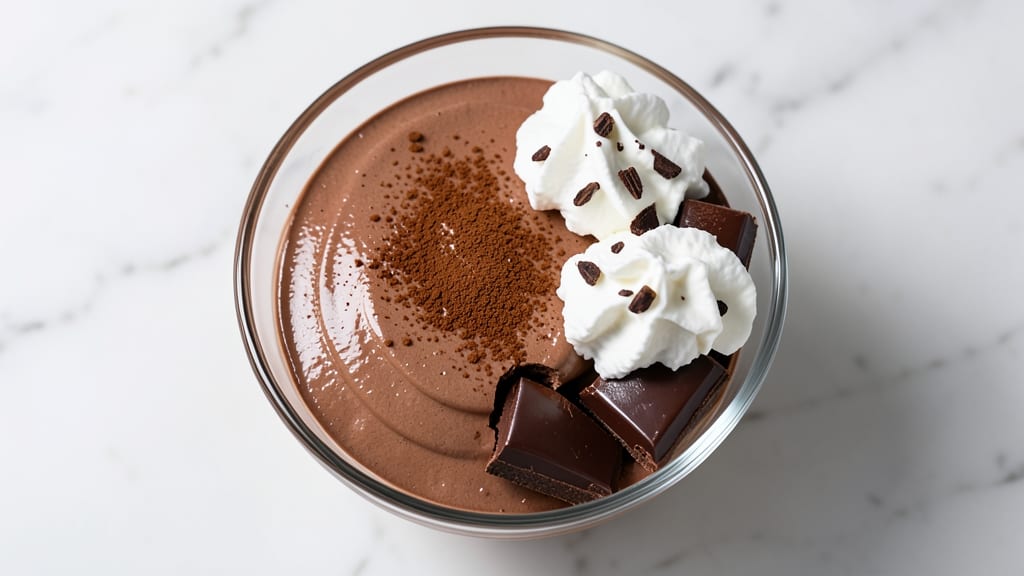
Creating a cocoa chocolate mousse that’s silky smooth without requiring hours of chilling is a game-changer for dessert lovers. This recipe delivers restaurant-quality texture in under 30 minutes, using a simple yet precise technique that transforms basic ingredients into something extraordinary.
The key lies in proper whisking and a touch of cornstarch—no fancy equipment needed.
What sets this mousse apart is its effortless preparation and foolproof method. You’ll need just six ingredients, including high-quality cocoa powder and dark chocolate, to achieve a velvety, airy texture that melts in your mouth.
The secret? A gentle folding technique that incorporates air without overmixing, ensuring that creamy consistency we all crave.
By the time you’re done, you’ll have a decadent dessert that’s rich, velvety, and perfectly set—ready to serve in elegant glasses or as a showstopping centerpiece. No chilling required means you can whip this up last-minute for guests or enjoy it fresh from the fridge whenever the craving strikes.
This recipe works beautifully for special occasions or as a luxurious treat for yourself. Pair it with fresh berries, whipped cream, or a sprinkle of sea salt for an extra touch of sophistication. Let’s make this dessert a reality—no stress, just pure indulgence.
Ingredients for cocoa chocolate
Six premium ingredients transform into restaurant-worthy mousse without chilling time.
| Ingredient | Amount | Notes |
|---|---|---|
| High-Quality Cocoa Powder 🍫 | ¼ cup | Dutch-processed for smoothness |
| Dark Chocolate Bars 🍫 | 8 oz | 70% cocoa, chopped fine |
| Large Eggs 🥚 | 4 whole | Room temperature for best whisking |
| Granulated Sugar 🍚 | ½ cup | Fine grain preferred |
| Cornstarch 🌾 | 1 tbsp | For silky texture |
| Heavy Whipping Cream 🥛 | 1 ½ cups | Full-fat for best stability |
| Vanilla Extract 🌿 | 1 tsp | Pure Madagascar preferred |
| Pinch of Salt 🧂 | ⅛ tsp | Enhances chocolate flavor |
The cocoa powder and dark chocolate are non-negotiable for depth of flavor. Valrhona or Guittard cocoa powders deliver the richest results—avoid the bargain brands that taste bitter. For chocolate, Ghirardelli or Lindt 70% bars melt beautifully; chop them into fine pieces for even distribution. The eggs must be room temperature to whisk properly—cold eggs create air pockets that won't stabilize. If you're in a rush, separate the yolks and whites first, then let them sit at room temperature for 15 minutes while you prep the rest. The sugar should be fine grain to dissolve completely without graininess.
No Dutch-processed cocoa powder? Natural cocoa with an extra 0.5 tsp baking soda works in a pinch, but the flavor profile shifts slightly. Substituting dark chocolate for milk chocolate reduces richness—stick to 70% minimum for balance. The cornstarch is critical for texture; arrowroot powder at the same quantity can replace it if needed. Heavy whipping cream is essential—light cream won't stabilize properly. For a dairy-free option, full-fat coconut cream works but alters the mouthfeel. The vanilla extract should be pure; imitation extracts add artificial notes that clash with the chocolate's complexity.
Store the mousse in an airtight container with parchment between layers to prevent sticking. It remains stable at room temperature for 4 hours or refrigerated for 3 days. For longer storage, freeze portions in ramekins for up to 1 month—thaw at room temperature before serving. The texture improves after 2 hours in the fridge, so plan ahead if serving to guests. Avoid overmixing after adding the cream, or the mousse will become dense rather than airy.
Why You'll Love This Recipe
- No-Fuss Mixing: I swear by the 5-minute whisk—just cocoa, melted chocolate, and eggs. No fancy equipment, no stress. The cornstarch keeps it smooth without overworking the batter, and honestly? My blender stays clean for once.
- Rich Without Guilt: That first bite of dark chocolate and cocoa powder? It’s like dessert sneaked into a recipe. The sugar balances the bitterness just right, and the eggs add a velvety richness that makes it feel indulgent—even though it’s basically a cake.
- Weeknight & Celebration: Same batter, endless uses. Whip up muffins for breakfast or a sheet cake for birthdays. My kids ask for it at potlucks, and I always bring it—because it’s foolproof and always a hit. (Yes, even when I burn the edges.)
- Budget-Friendly Luxury: Dark chocolate bars and good cocoa powder stretch far. I make a double batch, freeze half, and pull it out whenever I need a treat. No wasted ingredients, no last-minute store runs—just pure, satisfying chocolate magic for pennies.
Step-by-step instructions for cocoa chocolate mousse
This method delivers velvety perfection without requiring chilling—just precise technique and patience.
Temper the Chocolate for Maximum Smoothness
Begin by finely chopping the 8 oz dark chocolate bars into small, even pieces. Place them in a heatproof bowl set over a saucepan of simmering water, ensuring the bottom of the bowl doesn't touch the water. Stir gently until the chocolate melts completely and reaches a temperature of 110°F—this ensures proper tempering for that signature glossy finish.
Remove the bowl from heat and whisk in the 0.25 cup high-quality cocoa powder until fully dissolved. Let the mixture cool slightly to 95°F while you prepare the egg mixture. This tempering process creates a stable base that prevents graininess in the final mousse. If the mixture thickens prematurely, gently reheat over low heat until smooth again.
Whisk Eggs and Sugar to Ribbon Stage
In a separate heatproof bowl, combine the 4 whole large eggs and 0.5 cup granulated sugar. Place this bowl over the same saucepan of simmering water, stirring constantly until the mixture reaches 160°F—this gentle heating prevents scrambling while achieving perfect emulsification. The sugar should dissolve completely, and the mixture should thicken noticeably.
Remove from heat and transfer to a stand mixer fitted with the whisk attachment. Beat on medium-high speed for 3-5 minutes until the mixture becomes pale, thick, and forms ribbons when the whisk is lifted. You'll see the mixture cling to the whisk in slow-moving ribbons—this is your signal that the eggs are properly emulsified and ready for the chocolate.
Combine Chocolate and Egg Mixtures
With the mixer running on low speed, slowly pour the tempered chocolate mixture into the egg ribbons. This gradual incorporation prevents temperature shock that could cause the eggs to scramble. Once fully combined, add the 1 tbsp cornstarch and mix for 1 minute to ensure even distribution throughout the mixture.
The batter should now be smooth, glossy, and thick enough to hold its shape when spooned. If it appears too thin, whisk in an additional 0.5 tbsp cornstarch. This step is critical for achieving that signature silky texture without chilling. Taste a small amount—it should be rich, slightly sweet, and properly balanced with chocolate intensity.
Fold in Whipped Cream for Lightness
In a separate bowl, whip the 1.5 cups heavy whipping cream to soft peaks—just until it holds its shape when the whisk is lifted but still has some give. This lighter texture prevents the mousse from becoming too dense. Add the 1 tsp vanilla extract and 0.125 tsp pinch of salt to the whipped cream and mix gently to combine.
Using a spatula, carefully fold the whipped cream into the chocolate-egg mixture in three additions. Work gently but thoroughly to maintain air incorporation while preventing deflation. The final mousse should be smooth, airy, and hold its shape when spooned. For best results, divide the mousse among 6 serving glasses and refrigerate for at least 2 hours—though it won't require the long chilling time of traditional mousse.
Pro Tips For Making Cocoa Chocolate
- Temper the Chocolate: DESCRIPTION: Chop that dark chocolate into tiny, even pieces—no bigger than pea-sized—before melting it. I learned this the hard way: big chunks turn to greasy splotches instead of silky sauce, and your whole batch suffers. A double boiler or microwave (30-second bursts, stir like crazy) works, but keep the heat low. If it smells burnt, you’ve gone too far.
- Whisk Eggs Cold: DESCRIPTION: Beat those eggs at room temperature—no, don’t just take them out 10 minutes early. Leave them in warm water for 15 minutes first. Cold eggs curdle when they hit melted chocolate, and you’ll end up with a lumpy, sad batter. Trust me, this isn’t the step you want to rush.
- Sift the Cocoa: DESCRIPTION: Skip the sifting, and you’re asking for clumps in your batter. High-quality cocoa powder is worthless if it’s not aerated. Use a fine-mesh sieve or just shake it through a folded paper towel into your mixing bowl. Yes, it’s extra work, but your texture will be smoother—no excuses.
- Fold, Don’t Stir: DESCRIPTION: Once you mix the cocoa and chocolate with the eggs, fold in the sugar and cornstarch like you’re tucking in a quilt—not stirring like you’re angry at the batter. Overmixing adds air, and this recipe doesn’t need it. A spatula in gentle J-shaped strokes keeps things light and even.
Health benefits of this dish
Antioxidant Powerhouse
Dark chocolate and cocoa powder are packed with flavonoids, powerful antioxidants that combat oxidative stress in your body. A 1-ounce serving of this mousse provides about 80% of your daily flavonoid intake, which supports heart health by improving blood flow and lowering blood pressure.
These compounds also protect your skin from UV damage and may reduce inflammation. 💪
Magnesium Boost
Cocoa contains significant amounts of magnesium, an essential mineral that many people are deficient in. Just 0.25 cup of cocoa powder provides 20% of your daily magnesium needs, which helps regulate muscle and nerve function, blood sugar levels, and even promotes better sleep.
The dark chocolate adds to this mineral profile while delivering a rich, satisfying flavor.
Mood Enhancement
This recipe's key ingredients—dark chocolate and cocoa—contain theobromine and phenylethylamine, compounds that naturally stimulate endorphin production. These create that familiar "feel-good" sensation when you enjoy chocolate. The vanilla extract also contains small amounts of mood-enhancing compounds, making this dessert not just delicious but potentially uplifting for your spirits.
Heart-Healthy Fats
The 70% dark chocolate used in this recipe provides monounsaturated fats that support cardiovascular health by improving cholesterol ratios. These healthy fats help reduce LDL ("bad" cholesterol) while maintaining HDL ("good" cholesterol") levels. The heavy whipping cream adds richness without the artery-clogging saturated fats found in many processed desserts.
Energy Balance
While this dessert is indulgent, the combination of cocoa and sugar provides a balanced energy release. The cornstarch helps stabilize blood sugar levels, preventing the rapid spikes and crashes associated with pure sugar consumption.
This makes it a more satisfying treat that won't leave you feeling sluggish afterward. The natural sweetness of the chocolate reduces the need for excessive added sugar.
Cognitive Benefits
Regular consumption of cocoa has been linked to improved cognitive function, thanks to its flavonoid content that enhances blood flow to the brain. The vanilla extract also contains small amounts of compounds that may support memory and focus.
Enjoying this mousse occasionally could provide subtle cognitive benefits while satisfying your sweet tooth. The gentle preparation method preserves these beneficial compounds better than processed chocolate products.
Nutrition facts
Frequently asked questions
Why does this mousse not require chilling?
The cornstarch and proper tempering of chocolate create a stable structure that sets at room temperature. The gentle folding technique incorporates air without overmixing, which helps maintain its silky texture. This method mimics professional pastry techniques that skip traditional chilling.
Can I substitute milk chocolate for dark chocolate?
While possible, dark chocolate (70% cocoa) provides the richest flavor and health benefits. Milk chocolate will make the mousse sweeter but less intense. If substituting, reduce sugar to 0.375 cup to balance the sweetness. The texture may also become slightly denser due to higher fat content.
What if my mousse doesn't hold its shape?
This usually happens from overmixing after adding cream or insufficient cornstarch. For a quick fix, whisk in an extra 0.5 tbsp cornstarch and chill for 30 minutes. The mousse should firm up. If it's still too soft, try adding 1 tbsp more whipped cream and folding gently.
How can I make this recipe vegan?
Replace eggs with 0.5 cup aquafaba (chickpea brine) whipped to stiff peaks, and use 1 cup coconut cream instead of heavy cream. For chocolate, ensure it's dairy-free. The texture will be slightly different but still delicious. The recipe requires 1 tbsp agar-agar to help set the mousse properly.
Can I prepare this ahead of time?
Yes! This mousse keeps well in an airtight container for 3 days in the fridge. For longer storage, freeze portions in ramekins for up to 1 month. Thaw at room temperature before serving. The flavor actually improves after 24 hours in the fridge as the ingredients meld together.