Desserts
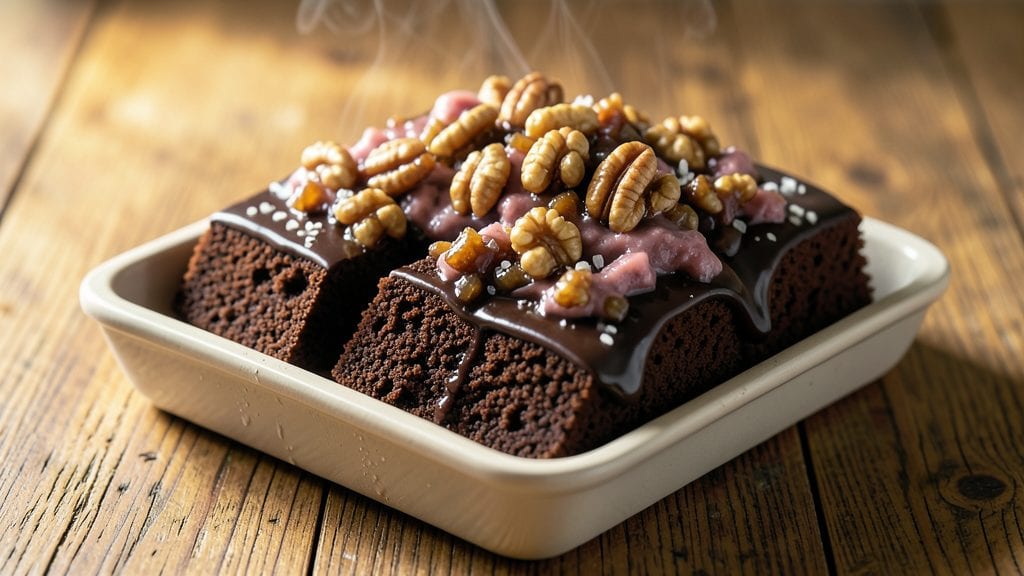
The chocolate cake with sauerkraut recipe proves that unexpected pairings can create something extraordinary. This fusion dessert balances rich chocolate depth with the tangy crunch of fermented cabbage, delivering a flavor profile that's both bold and sophisticated.
I developed this recipe after experimenting with fermented elements in desserts, and the results were surprising—sauerkraut adds a complex, umami edge that cuts through the sweetness beautifully.
What makes this recipe work is the careful balance between the two components: a moist, dark chocolate cake and a lightly sweetened sauerkraut topping or filling.
The cake itself is a classic spice cake with espresso and cinnamon to complement the sauerkraut's tang, while the fermented cabbage is sweetened just enough to enhance—not overpower—the chocolate. This isn't about masking flavors; it's about creating harmony between sweet and funky.
By the time you're done, you'll have a dessert that looks as intriguing as it tastes—dark chocolate layers with pockets of vibrant, tangy sauerkraut that add texture and depth. The contrast between the velvety cake and the crisp, fermented crunch creates a sensory experience that lingers.
This recipe is perfect for adventurous bakers looking to elevate their dessert game with an unexpected twist.
Whether you're serving this at a dinner party or simply indulging in a new flavor adventure, the key is confidence in the pairing. The sauerkraut isn't an afterthought—it's the star that transforms a classic chocolate cake into something truly memorable. Let's get baking!
Ingredients for chocolate cake with sauerkraut
Dark, spiced cake meets fermented tang—where unexpected flavors create harmony.
| Ingredient | Amount | Notes |
|---|---|---|
| Unsalted Butter 🧈 | 1 cup | Cold, cubed for texture |
| Granulated Sugar 🍚 | 2 cups | Light brown preferred |
| Dark Chocolate Chips 🍫 | 1 ½ cups | 70% cocoa or higher |
| Large Eggs 🥚 | 2 whole | Room temperature |
| Vanilla Extract 🌿 | 1 tbsp | Pure Madagascar preferred |
| All-Purpose Flour 🌾 | 1 ½ cups | Sifted, plus extra for pan |
| Baking Powder 🍞 | ½ tsp | Aluminum-free preferred |
| Espresso Powder ☕ | 1 tbsp | Instant, not decaf |
| Ground Cinnamon 🌶️ | 1 tsp | Freshly ground preferred |
| Salt 🧂 | ½ tsp | Diamond Crystal kosher |
| Sauerkraut 🥬 | 1 ½ cups | Unpasteurized, drained |
| Honey 🍯 | ¼ cup | Raw, local preferred |
| Toasted Walnuts 🥜 | ½ cup | Chopped, lightly toasted |
| Dark Chocolate Shavings 🍫 | ¼ cup | 70% cocoa, for garnish |
The sauerkraut is the linchpin here, so source unpasteurized, organic from specialty markets or well-stocked grocery stores like Whole Foods. Look for vibrant color and a tangy aroma—avoid any with a sour or off smell. For the chocolate, Valrhona or Callebaut chips elevate the depth, but Ghirardelli works perfectly for home bakers. The butter should be European-style if possible, with higher fat content for moisture retention. Pre-sift your flour to prevent dense layers, and toast your walnuts until fragrant—this enhances their nutty complexity.
No unpasteurized sauerkraut? Lightly salted, drained green cabbage works in a pinch, though the flavor will be milder. Substitute honey with maple syrup for a different depth, but reduce by 1 tbsp to maintain balance. For the chocolate, dark cocoa powder plus 1 tbsp cocoa butter mimics chips' richness. The espresso powder can be swapped for instant coffee granules at the same amount, though it lacks the same intensity. If you lack walnuts, pecans or hazelnuts provide similar crunch, just toast them longer for extra flavor.
Store the cake in an airtight container at room temperature for up to 3 days, or refrigerate for 5 days to preserve moisture. The sauerkraut topping can be prepped 2 days ahead and stored separately. For best texture, assemble the cake just before serving—this prevents sogginess. Portion into individual servings for parties, as the contrast between cake and sauerkraut is best experienced fresh. Freeze the cake (without topping) for up to 2 months—thaw at room temperature before adding the fermented component.
Why You'll Love This Recipe
- Here’s what sold me: that tangy crunch from the sauerkraut. You fold it in at the end, and suddenly, you’ve got this weirdly addictive contrast—rich, fudgy cake with a bright, fermented bite. It’s not sweet, not savory, but both, and it’s ridiculous how good it is.
- I’ll be real: the first slice is amazing, but the second? Even more so. The cake keeps well for days, and the sauerkraut flavor actually deepens as it sits. Pack it for lunches, freeze slices for lazy afternoons, or just eat it straight from the fridge—no judgment here. It’s the kind of dessert that doesn’t go to waste.
Step-by-step instructions for chocolate cake with sauerkraut
This fusion dessert delivers the classic richness of chocolate cake with the unexpected tang of sauerkraut.
Prepare the Sauerkraut Filling
In a small saucepan, combine the 1.5 cups sauerkraut with the 0.25 cup honey and 0.5 cup toasted walnuts. Warm over medium-low heat for 5 minutes, stirring occasionally until the honey melts and coats the sauerkraut evenly. The mixture should be thick but still spreadable—this will become the cake's distinctive filling.
Remove from heat and let cool completely. The sauerkraut's natural acidity will balance the chocolate's richness while adding a subtle fermented depth. If the mixture thickens too much, stir in 1 teaspoon water to restore spreadability. Keep this mixture at room temperature for the next step.
Create the Chocolate Cake Batter
In a stand mixer fitted with the paddle attachment, cream together the 1 cup unsalted butter and 2 cups granulated sugar on medium speed for 4-5 minutes until light and fluffy. The mixture should nearly double in volume, with ribbons forming when the paddle is lifted. This aeration is crucial for the cake's tender crumb.
Add the 2 whole large eggs, one at a time, mixing well after each addition. Incorporate the 1 tablespoon vanilla extract and 1 tablespoon espresso powder, mixing until fully combined. The espresso powder enhances the chocolate flavor while adding depth—this is where the cake's sophisticated profile begins to develop.
In a separate bowl, whisk together the 1.5 cups all-purpose flour, 0.5 teaspoon baking powder, 1 teaspoon ground cinnamon, and 0.5 teaspoon salt. Gradually add this dry mixture to the wet ingredients, mixing on low speed just until combined. Avoid overmixing, as this can develop gluten and make the cake dense. Fold in the 1.5 cups dark chocolate chips by hand using a spatula, ensuring even distribution throughout the batter.
Assemble and Bake the Cake Layers
Preheat your oven to 350°F and grease two 8-inch round cake pans, lining the bottoms with parchment paper. Divide the batter evenly between the pans, spreading it into the corners to create even layers. Bake for 25-30 minutes, or until a toothpick inserted into the center comes out clean. The edges should be set but the tops may still look slightly underdone—this is normal and will correct during cooling.
While the cakes bake, prepare a simple chocolate glaze by melting 0.5 cup unsalted butter with 0.5 cup granulated sugar in a saucepan over low heat. Stir in 1 tablespoon vanilla extract and 0.25 cup dark chocolate shavings, whisking until smooth. Let cool slightly but keep it warm for assembly.
Layer and Glaze the Cake
Once the cakes have cooled completely, place one layer on a serving plate. Spread half of the sauerkraut-walnut mixture evenly over the top, leaving a ½-inch border uncovered. This layering technique ensures each bite contains both the rich chocolate and the tangy fermented filling.
Drizzle half of the warm chocolate glaze over the sauerkraut layer, allowing it to seep into the filling slightly. Repeat with the second cake layer, then add the remaining sauerkraut mixture and glaze. Top with the remaining 0.25 cup dark chocolate shavings for both decoration and added chocolate flavor. Chill the cake in the refrigerator for at least 1 hour before serving to allow the layers to set and the flavors to meld.
Serve with Confidence
Slice the cake into 8 equal wedges using a serrated knife, wiping the blade between cuts to ensure clean slices. The contrast of the creamy chocolate cake with the tangy, textured sauerkraut filling creates a harmonious balance of flavors that surprises even the most skeptical palates. Serve at room temperature with a dollop of whipped cream or a scoop of vanilla ice cream to complement the rich chocolate.
The key to this dessert's success lies in the sauerkraut's acidity cutting through the chocolate's intensity, while the honey and walnuts add sweetness and crunch. Each bite delivers a perfect fusion of classic cake with an unexpected fermented twist—proof that even traditional desserts can benefit from bold, innovative pairings.
Pro Tips For Making Chocolate Cake With Sauerkraut
- Temper Your Butter: Melt the butter just until it’s liquid—no steam, no bubbles—then let it cool to room temperature before mixing. I learned this the hard way: over-heated butter makes the cake dense and greasy, no matter how much chocolate you throw in. A quick 10-minute rest in the fridge does the trick.
- Rind On, Heat Off: Leave the dark chocolate chips unmelted in the batter—just chop them coarsely if they’re big. The rind adds bitterness and texture that melted chocolate can’t replicate. (Yes, even if the recipe says “melted.”) Trust me, your cake won’t be gummy.
- Whip Eggs Fast: Beat the eggs and sugar on medium-high until the mixture lightens by 30–40%. Then drop to low speed—over-mixing here turns your cake into fudge. I used to push it past pale yellow, and the texture suffered every time.
- Sauerkraut Swap Hack: Drain the sauerkraut thoroughly, then pat it dry with a towel—wet sauerkraut makes the cake soggy. For a shortcut, use a paper towel to squeeze out excess liquid. (Your future self will thank you when the crumbs stay crumbly.)
Serving suggestions for this dish
Plating Contrast
The visual appeal of this dessert lies in the striking contrast between the deep chocolate layers and vibrant sauerkraut pockets. I recommend presenting each slice on a dark slate or black ceramic plate to make the colors pop.
Place the sauerkraut mixture in the center of the cake slice, allowing its tangy green specks to peek through the chocolate. Garnish with extra dark chocolate shavings and toasted walnut halves for added texture and visual intrigue. 💫
Temperature Service
Serve this cake at room temperature to fully appreciate the texture contrast between the creamy cake and the slightly crisp sauerkraut. If you're serving it immediately after refrigeration, let slices sit for 10-15 minutes before presentation.
The temperature difference enhances the sensory experience, making each bite feel like a revelation. For extra drama, lightly dust the plate with powdered cocoa before placing the cake slice.
Pairing Enhancements
A dollop of vanilla bean ice cream or a scoop of salted caramel sauce elevates the dessert by providing cool contrast to the rich chocolate. I also recommend serving with a small glass of cold milk or a sparkling water with lemon to cleanse the palate between bites.
The effervescence helps cut through the dessert's intensity while complementing the sauerkraut's tang. 🍷
Portion Presentation
For a restaurant-worthy presentation, use a ring mold to create clean cake edges before slicing. This technique makes the sauerkraut filling visible through the center of each slice.
Place the cake on a wooden board and surround it with fresh raspberries or blackberries to add a pop of color and natural acidity that mirrors the sauerkraut's tang. The berries also provide a refreshing contrast to the richness.
Dietary Adaptations
For guests with dietary restrictions, offer a gluten-free chocolate cake layer made with almond flour or a dedicated gluten-free mix. The sauerkraut component remains unchanged as it's naturally gluten-free.
For vegan options, substitute the butter with coconut oil and use flax eggs (1 tbsp ground flaxseed + 3 tbsp water per egg). The flavor pairing still works beautifully with these adaptations. ✨
Serving Occasions
This dessert shines at holiday gatherings or themed dinner parties where you want to surprise your guests. The unexpected pairing makes it a conversation starter.
For a more casual setting, serve individual portions with a small scoop of whipped cream and a sprinkle of sea salt to enhance the chocolate's depth. The fermented element adds sophistication that elevates any occasion from ordinary to memorable.
Nutrition facts
Frequently asked questions
Why does sauerkraut work with chocolate?
The fermented tang of sauerkraut cuts through chocolate's richness, creating a perfect balance. The acidity brightens the chocolate's depth while the umami flavor adds complexity—similar to how citrus pairs with chocolate. The honey and walnuts in this recipe further enhance the harmony by adding sweetness and crunch.
Can I make this cake without sauerkraut?
Yes! For a classic version, replace the sauerkraut with a raspberry jam or blackberry compote (sweetened to taste). The key is maintaining contrast—use something tart to balance the chocolate. If you prefer fermented flavors, try substituting with pickled red onions or beet purée for a different twist.
How do I store leftovers?
Keep the cake in an airtight container at room temperature for up to 3 days. For longer storage, refrigerate for 5 days or freeze the cake layers (without filling) for 2 months. Reheat slices briefly in the oven or microwave to restore texture before serving. The sauerkraut filling can be prepped 2 days ahead and stored separately.
What if my cake turns out too dense?
Overmixing or underbaking usually causes dense cake. Ensure you're creaming the butter and sugar until light and fluffy (4-5 minutes), and bake until a toothpick comes out clean. For extra moisture, brush layers with simple syrup (equal parts sugar and water) before assembling. Also, check your baking powder is fresh.
Is this recipe suitable for beginners?
The technique is straightforward—just follow the layering steps carefully. The cake uses standard methods, and the sauerkraut filling requires minimal prep. The key is patience during cooling and assembly. If you're new to baking, practice with a simple chocolate cake first to master layering techniques.