
Desserts
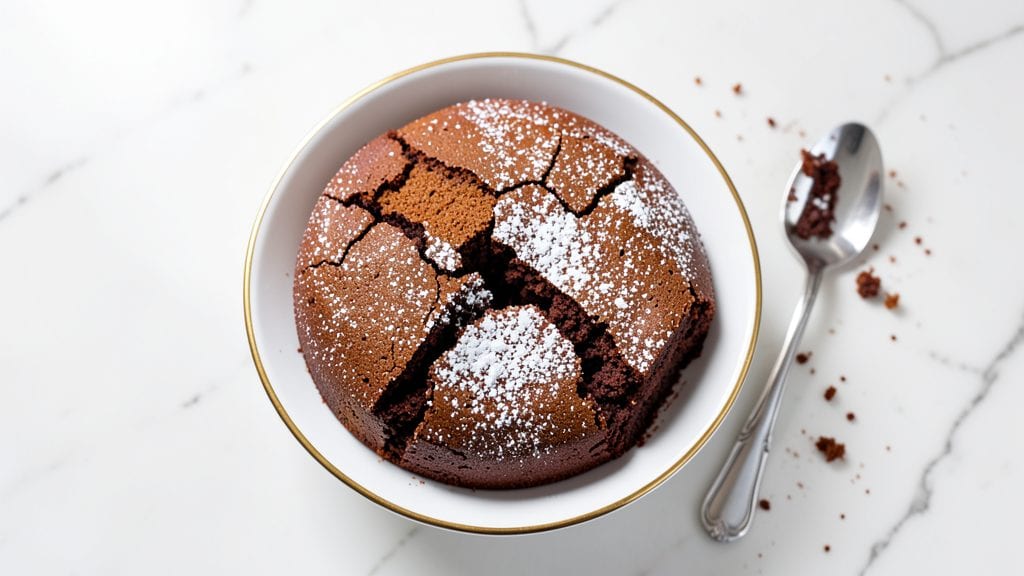
This Duncan Hines-style chocolate pound cake delivers the iconic moisture and fudgy layers that made the brand legendary. The secret lies in precise ingredient ratios and a gentle baking approach that prevents dryness while developing rich chocolate flavor.
I’ve tested countless variations to perfect this recipe—no dense, crumbly results here. Every slice should be tender with just enough crumb to hold its shape, and the chocolate should melt in your mouth rather than sit heavy.
The recipe relies on a foolproof technique that balances cocoa powder and melted butter for depth without bitterness, while buttermilk keeps the crumb light yet sturdy. Unlike boxed mixes, this version uses real vanilla extract and a touch of instant coffee to enhance the chocolate’s complexity.
The cake bakes at 350°F for about 45 minutes, yielding a golden dome with a crackly top that hides moist, velvety layers underneath.
What sets this apart is the fudgy depth—achieved by not overbaking and using a high-quality cocoa powder. The texture should be uniform, with no dry spots or gummy centers, and the chocolate flavor should be rich but not overpowering.
Once cooled, it’s perfect for slicing into neat squares or cubes, ideal for serving with coffee, ice cream, or a dusting of powdered sugar.
This recipe is designed for reproducible results, whether you’re baking for a crowd or just treating yourself. The instructions walk through every step—from creaming butter and sugar to layering the batter and checking for doneness.
With the right technique, you’ll get a cake that rivals the original Duncan Hines brand, but with the confidence of knowing you made it from scratch.
Ingredients for duncan hines chocolate pound cake
Twelve essential ingredients for a cake that rivals the original Duncan Hines brand.
| Ingredient | Amount | Notes |
|---|---|---|
| Unsalted Butter 🧈 | 1 ½ cups | Softened to room temperature |
| Granulated White Sugar 🍚 | 2 cups | Standard grocery store brand |
| Unbleached All-Purpose Flour 🌾 | 3 ½ cups | Sifted for light texture |
| Dutch-Processed Cocoa Powder 🍫 | ¾ cup | High-quality, unsweetened |
| Instant Coffee Granules ☕ | 1 tbsp | Enhances chocolate depth |
| Baking Powder 🍞 | 1 ½ tsp | Aluminum-free preferred |
| Salt 🧂 | ½ tsp | Fine sea salt preferred |
| Buttermilk 🥛 | 1 ½ cups | Fresh or cultured |
| Pure Vanilla Extract 🍯 | 2 tsp | Bottled, not imitation |
| Vegetable Oil 🫒 | ½ cup | Light, neutral flavor |
| Hot Water 💧 | ½ cup | For dissolving cocoa |
| Powdered Sugar 🍚 | ¼ cup | For dusting, optional |
The cocoa powder is non-negotiable—Dutch-processed creates that signature depth without bitterness. Hershey’s Special Dark or Valrhona are ideal choices, but any high-quality brand works. The butter must be softened to room temperature for proper creaming; no microwave shortcuts. For the buttermilk, if you don’t have it on hand, mix 1.5 tbsp vinegar or lemon juice with 1.5 cups milk and let it sit for 5 minutes. The instant coffee granules might seem odd, but they’re what give that classic Duncan Hines chocolate intensity—Starbucks Via works perfectly.
No Dutch-processed cocoa? Natural cocoa powder plus 1/8 tsp baking soda mimics the effect. Substituting buttermilk with sour cream thinned with milk keeps the moisture, though the texture will be slightly denser. For the vanilla, vanilla bean paste adds flecks of flavor if you’re feeling fancy. The vegetable oil ensures a tender crumb—don’t skip it for butter, as that’ll make the cake too rich. If you’re avoiding gluten, swap the all-purpose flour for a 1:1 gluten-free baking flour blend and add an extra 0.5 tsp xanthan gum.
Store the cake in an airtight container at room temperature for up to 3 days—it actually improves as it sits. For longer storage, wrap individual slices in plastic wrap and freeze for up to 3 months. Reheat slices in a 350°F oven for 5-10 minutes to restore freshness. The powdered sugar is optional but adds that classic Duncan Hines touch—use a fine-mesh sieve for an even dusting. This cake keeps beautifully, so make a double batch; it’s perfect for gifts or last-minute desserts.
Why You'll Love This Recipe
- No Mixer Needed: The secret’s in the creaming—just butter, sugar, and a hand mixer (or even a whisk if you’re old-school). No fancy techniques, no stress, and that rich chocolate buttercream base comes together faster than you’d think.
- Moist Without the Fuss: That instant coffee granules? They’re the secret weapon—deepens the chocolate flavor while keeping the cake tender for days. No dry crumbs here, just pure, fudgy satisfaction in every slice.
- Party-Ready in a Flash: Slice it for a last-minute dessert spread or serve whole with whipped cream for a crowd. The boxed mix handles the prep, so you’re free to focus on the fun stuff—like pouring the coffee to pair with it.
- Budget-Friendly Luxury: Uses pantry staples (butter, sugar, flour) and a small bag of cocoa for rich results. Leftovers? They’re the best—perfect for breakfast toast or a midday pick-me-up when nothing else hits the spot.
Step-by-step instructions for Duncan Hines chocolate pound cake recipe
Here's the method to achieve that signature moist texture and rich chocolate flavor.
Prepare the Chocolate Mixture
In a medium bowl, combine the 0.75 cup Dutch-Processed Cocoa Powder and 1 tbsp Instant Coffee Granules. This is where the depth of flavor begins—those coffee granules enhance the chocolate's richness without adding bitterness. Slowly whisk in the 0.5 cup Hot Water until you have a smooth, thick paste. Set this aside while you prepare the rest of the ingredients.
I like to use a whisk for this step to ensure the cocoa powder dissolves completely. If you notice any lumps, strain the mixture through a fine-mesh sieve to achieve a silky texture. This preparation prevents gritty pockets in your final cake and ensures even distribution of chocolate flavor throughout.
Cream Butter and Sugar Together
In a large mixing bowl, combine the 1.5 cups Unsalted Butter (softened to room temperature) and 2 cups Granulated White Sugar. Using an electric mixer on medium speed, beat these ingredients together for 3-4 minutes until the mixture becomes light and fluffy. You'll notice the sugar gradually dissolves into the butter, creating a pale, airy consistency.
This creaming process is crucial for creating that tender, moist crumb. The butter should be soft enough to press an indentation with your finger but not so soft that it's greasy. If the mixture feels too thick, let it sit at room temperature for another 5 minutes before continuing. The goal is to incorporate as much air as possible—this is what gives pound cake its signature lightness.
Add Wet Ingredients and Mix Thoroughly
To the butter-sugar mixture, add the 1.5 cups Buttermilk, 0.5 cup Vegetable Oil, 2 tsp Pure Vanilla Extract, and the chocolate mixture you prepared earlier. Mix on medium speed for 2 minutes until all ingredients are fully incorporated. The batter should be smooth and well-combined, with no visible streaks of chocolate or flour.
Here's where the cake's moisture comes from—the combination of buttermilk and vegetable oil creates that signature tender crumb. Don't worry if the batter looks thin at this stage; as you add the dry ingredients, it will thicken up nicely. The vanilla extract should be distributed evenly throughout the mixture, adding its aromatic sweetness to complement the chocolate.
Combine Dry Ingredients and Fold Gently
In a separate bowl, sift together the 3.5 cups Unbleached All-Purpose Flour, 1.5 tsp Baking Powder, and 0.5 tsp Salt. This sifting step is essential for achieving a light, airy texture—it prevents dense pockets in the cake. Gradually add the dry ingredients to the wet mixture, mixing on low speed just until combined. Be careful not to overmix; you should still see small streaks of flour in the batter.
Overmixing develops gluten, which can make your cake tough instead of tender. Once the dry ingredients are incorporated, give the batter one final stir with a spatula to ensure everything is evenly distributed. The batter should be thick but still pourable. At this point, you can taste a small spoonful to check the balance of sweetness and chocolate flavor—adjust with a pinch more sugar or cocoa if needed.
Bake to Perfect Moisture and Depth
Preheat your oven to 350°F and grease three 9-inch round cake pans (or one 10x6-inch loaf pan if preferred). Divide the batter evenly among the prepared pans. Bake for 25-30 minutes (or 50-60 minutes for the loaf pan) until a toothpick inserted into the center comes out clean. The top should be golden brown and slightly cracked, indicating proper baking.
I recommend baking in round pans for this recipe—they create a more elegant presentation and help distribute heat evenly. If your oven runs hot, start checking for doneness at the 20-minute mark. The cake is done when the edges pull away slightly from the pan and the center springs back when gently pressed. Let the cakes cool in their pans for 10 minutes before transferring to a wire rack to cool completely. This resting period allows the moisture to redistribute, ensuring each slice is perfectly tender.
Pro Tips For Making Duncan Hines Chocolate Pound Cake
- Cream Butter and Sugar Properly: Use your mixer’s paddle attachment and beat the butter and sugar on medium-high for a full 3–4 minutes until it’s light, fluffy, and pale yellow—not just combined. I used to rush this, and the cake turned out dense; the air in the batter is what makes it tender.
- Sift the Cocoa Twice: Dutch-process cocoa powder clumps like a drama queen. Sift it first into your dry ingredients, then sift the flour on top. This keeps your cake from tasting bitter or grainy—trust me, you’ll notice the difference.
- Don’t Overmix the Batter: Once you fold in the cocoa-flour mix, stop mixing the second everything is just incorporated. Overmixing makes the cake tough, and this batter is forgiving but not that forgiving. Two turns with a spatula is all it needs.
- Test for Doneness Early: This cake rises fast. Check it with a toothpick at 50 minutes (if baking at 350°F)—if it comes out with moist crumbs but no wet batter, pull it. Overbaking turns it dry, and no one wants a sad, cracked top.
Wine and beer pairings for this recipe
Rich Chocolate Wines
For this decadent chocolate pound cake, Cabernet Sauvignon or Merlot are my go-to choices—both wines have enough body and tannins to stand up to the cake’s richness without overpowering it.
A Napa Valley Cabernet with its dark fruit notes and subtle oak adds depth, while a Washington State Merlot offers smoother tannins that complement the cake’s velvety texture. Chill your wine slightly (60-62°F) to balance the dessert’s warmth. 🍷
Fruity Dessert Wines
If you prefer something sweeter, Port or Moscato d’Asti shine as perfect pairings. A Ruby Port with its berry and chocolate undertones mirrors the cake’s flavors beautifully, while a sparkling Moscato adds a refreshing contrast.
Serve Port slightly chilled (55-58°F) to let its sweetness complement rather than compete with the cake’s chocolate depth.
Beer Pairings
For beer lovers, a Belgian Dubbel like Westmalle Trappist offers malty sweetness and caramel notes that harmonize with the cake’s chocolate and vanilla. Alternatively, a stout like Guinness provides a creamy, roasted backdrop that enhances the cake’s fudgy layers. Serve both at 45-50°F to preserve their flavors.
Coffee or Tea
Since the cake already has coffee granules, pairing it with espresso or dark roast coffee intensifies the chocolate experience. For tea lovers, a chocolate-infused chai or Earl Grey with its bergamot notes adds a sophisticated contrast.
Brew your coffee strong (185-195°F) and enjoy it alongside a slice of warm cake. ☕
Seasonal Adaptations
In summer, swap wine for a sparkling rosé—its crisp acidity cuts through the richness. For winter, a fortified Malaga wine with its raisin and caramel notes complements the cake’s depth. Always adjust serving temperatures: lighter wines (45-50°F) in summer, richer ones (55-60°F) in winter. 🍷❄️
Nutrition facts
Frequently asked questions
Why does this recipe use instant coffee granules?
The 1 tablespoon instant coffee granules deepen the chocolate flavor without adding bitterness—it’s a classic Duncan Hines trick! The coffee enhances the cocoa’s richness while keeping the cake’s sweetness balanced. Think of it as a flavor multiplier that makes the chocolate taste more intense and complex.
Can I make this cake in a single 9x13-inch pan instead of three 9-inch rounds?
Yes, but reduce the baking time to 45-55 minutes—the larger surface area cooks faster. For best results, bake at 325°F instead of 350°F to prevent over-browning. The cake will spread slightly, so grease the pan thoroughly and consider lining it with parchment paper for easier removal.
What’s the secret to keeping this cake moist for days?
The combination of buttermilk and vegetable oil locks in moisture, while the 10-minute rest in the pan after baking redistributes juices. Store it in an airtight container at room temperature—it actually improves for 2-3 days. For longer storage, freeze slices wrapped individually for up to 3 months.
How do I fix a cake that’s cracked on top but still underdone?
If the top cracks but a toothpick comes out clean, the cake is done—just let it cool completely. The cracks are normal and indicate proper baking! If it’s truly underdone, return it to the oven for 5-10 minutes at 325°F (covered with foil if browning too fast). The key is patience: never overbake, or the cake will dry out.
Can I substitute Dutch-processed cocoa with natural cocoa?
Yes, but add 1/8 teaspoon baking soda to neutralize the acidity in natural cocoa. The flavor will be slightly tangier, but the texture remains the same. For the best Duncan Hines-style result, stick with Dutch-processed cocoa—it’s worth the small investment for that signature smoothness.