
Desserts
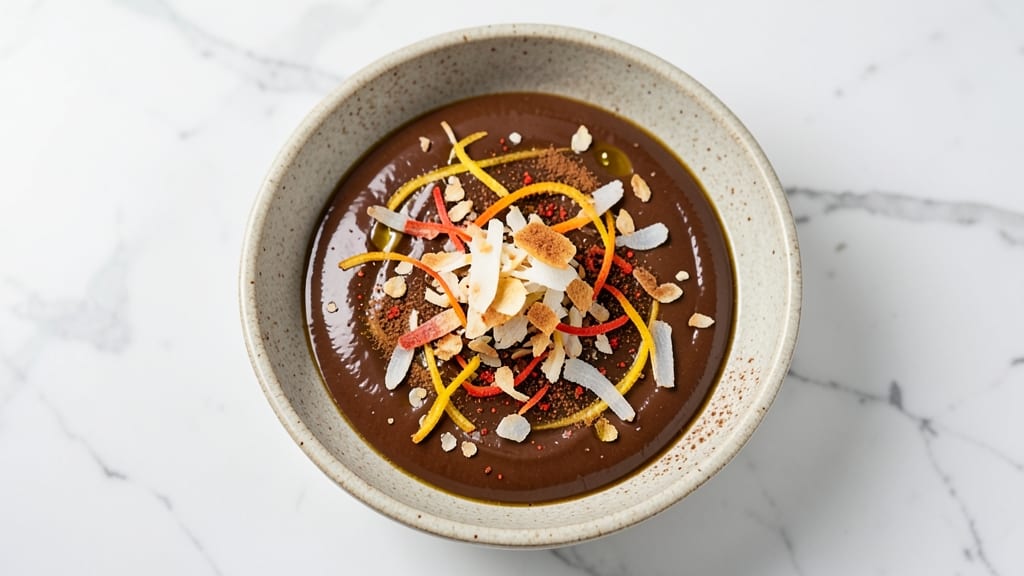
This infused chocolate recipe transforms ordinary cocoa into a complex, aromatic masterpiece where spices and flavors work in harmony. The secret lies in carefully balancing bold ingredients like cinnamon, chili, or orange zest—each infusion elevates the chocolate’s depth while maintaining its rich, velvety character.
I developed this technique after years of experimenting with professional-level chocolate work, and it delivers results that rival artisanal chocolatiers.
The process begins with high-quality cocoa, which forms the foundation for infusion.
Whether you're working with melted chocolate for bark, tempered chocolate for truffles, or a ganache for cakes, the infusion method remains consistent: gently heating the chocolate with your chosen spices or extracts to unlock their full potential without overpowering the cocoa.
This approach ensures every bite carries layers of flavor—smoky, citrusy, or subtly spiced—while keeping the texture silky and melt-in-your-mouth.
What you’ll achieve is a dessert or beverage that’s far more sophisticated than store-bought options. Imagine chocolate bark with crispy edges and pockets of chili heat, or truffles rolled in toasted coconut that release bursts of orange zest.
The infusion technique works equally well for cocktails, where a single spoonful of spiced chocolate syrup can transform a simple drink into something extraordinary. Each variation maintains that professional-grade quality while staying accessible for home cooks.
Perfect for gifting, special occasions, or indulgent weeknight treats, this recipe scales effortlessly. The instructions cover tempering for truffles, infusion timing for optimal flavor extraction, and plating techniques to make your creations look as impressive as they taste. Let’s create something truly memorable—one infusion at a time.
Ingredients for infused chocolate
High-quality cocoa and bold spices transform ordinary chocolate into a sophisticated masterpiece.
| Ingredient | Amount | Notes |
|---|---|---|
| High-Quality Dark Chocolate Bars 🍫 | 12 oz | 70% cocoa, finely chopped |
| Extra-Virgin Olive Oil 🫒 | ¼ cup | For tempering chocolate |
| Ground Cinnamon 🌿 | 1 tbsp | Ceylon cinnamon preferred |
| Cayenne Pepper 🔥 | ½ tsp | Adjust for heat preference |
| Orange Zest 🍊 | 1 tbsp | From organic orange |
| Toasted Coconut Flakes 🥥 | ½ cup | Unsweetened, lightly toasted |
| Sea Salt 🧂 | ½ tsp | Diamond Crystal preferred |
| Heavy Cream 🥛 | 1 cup | Full-fat for best texture |
| Unsalted Butter 🧈 | 2 tbsp | Cold, cut into pieces |
| Vanilla Bean Paste 🌸 | ½ tsp | High-quality Madagascar |
| Powdered Sugar 🍚 | ¼ cup | For dusting |
| Smoked Paprika 🌶️ | ½ tsp | For garnish |
The foundation begins with high-quality dark chocolate bars—Valrhona or Guittard deliver unmatched depth. Look for 70% cocoa content or higher, as this balances richness with infusion potential. Ceylon cinnamon (not cassia) adds warmth without bitterness, while organic orange zest ensures vibrant citrus notes. For the coconut, Trader Joe's or Whole Foods carry unsweetened flakes that toast beautifully. The extra-virgin olive oil should be light and fruity—avoid strong flavors that may compete with the chocolate. Diamond Crystal sea salt provides the perfect mineral contrast, and Madagascar vanilla bean paste guarantees authentic aroma without seeds.
No Ceylon cinnamon? Substitute with equal parts ground cassia, but reduce by one-third to avoid overpowering bitterness. Orange zest unavailable? Fresh lemon zest works, though the flavor profile shifts slightly. For coconut flakes, toasted pecans or almonds provide a similar crunch. Heavy cream substitutions: half-and-half or full-fat coconut milk maintain richness, though texture may vary. Butter alternatives: vegetable shortening works for tempering but lacks flavor. Smoked paprika can be omitted entirely if you prefer a cleaner finish, but it adds a subtle depth that pairs beautifully with the chocolate’s intensity.
Chocolate remains stable for up to 3 months when stored in an airtight container at room temperature, away from direct sunlight. Infused chocolate bark keeps its crisp texture for 5-7 days if stored in a cool, dry place. For ganache or truffles, refrigerate for up to 2 weeks or freeze for 3 months. Toasted coconut flakes should be stored in the freezer to prevent oil separation, while orange zest freezes well for up to 6 months if sealed tightly. Pre-measure spices into small jars for easy access during future infusions—professional chocolatiers swear by this method for consistency.
Why You'll Love This Recipe
- Three-Ingredient Magic: I swear by this combo—just melt the chocolate with olive oil, then stir in cinnamon, cayenne, and orange zest. No fancy equipment, no stress, and the result is chef-level depth without the fuss.
- Warm Spice Kick: That first bite? Rich, velvety dark chocolate with a whisper of heat from cayenne and a bright citrus zing. It’s like a hug for your taste buds—sweet, spicy, and impossible to resist.
- Dessert or Snack: Slather it on toast for breakfast, drizzle over fruit for a light treat, or melt it into ice cream for a grown-up twist. Honestly, I’ve used it in all three, and it never lets me down.
- No Waste, All Win: The leftovers keep for weeks in the fridge, and a little goes a long way. Between us, I’ve turned a single bar of chocolate into three batches of infused goodness—budget-friendly and versatile.
Step-by-step instructions for infused chocolate recipe
Transform ordinary chocolate into a complex, aromatic masterpiece using precise technique and bold spices.
Temper the Chocolate for Perfect Shine and Snap
Place the 12 oz high-quality dark chocolate bars in a heatproof bowl set over a pot of simmering water, ensuring the bottom of the bowl doesn't touch the water. Heat gently until the chocolate reaches 110°F and becomes completely smooth. Remove from heat and stir in the 0.25 cup extra-virgin olive oil until fully incorporated. This creates a stable base for our infusion.
Return the mixture to the simmering water bath and heat until it reaches 118°F. Immediately remove from heat and let it cool to 88°F while stirring continuously. This tempering process ensures your chocolate will have that professional gloss and satisfying snap when set. Work quickly—maintaining these precise temperatures is critical for success.
Infuse with Spices and Aromatics
Whisk in the 1 tbsp ground cinnamon, 0.5 tsp cayenne pepper, and 1 tbsp orange zest until completely dissolved. The mixture should develop a vibrant, aromatic hue—deep mahogany with flecks of orange and subtle red undertones from the cayenne. For best results, use a fine-mesh strainer to remove any undissolved zest particles, ensuring a perfectly smooth final texture.
Transfer the infused chocolate to a clean, dry bowl and let it cool to 80°F while stirring occasionally. This cooling step allows the spices to fully meld with the chocolate base. The aroma should become more pronounced as it cools—citrusy, warm, and with a subtle underlying heat from the cayenne. This is where the magic happens; don't rush this process or the flavors won't develop properly.
Incorporate Cream and Butter for Rich Texture
In a separate saucepan, heat the 1 cup heavy cream and 2 tbsp cold unsalted butter over medium heat until the butter melts completely and the mixture reaches 170°F. Remove from heat and immediately whisk in the 0.5 tsp vanilla bean paste. The cream should become fragrant and slightly thickened—this is your flavor foundation.
Gradually pour the warm cream mixture into the cooled chocolate while whisking constantly. The chocolate will begin to thicken immediately as it cools. Continue whisking until the mixture reaches 88°F and becomes smooth and glossy. This step creates the perfect balance between rich cocoa intensity and creamy texture that defines our infused chocolate.
Finish with Salt and Garnish
Stir in the 0.5 tsp sea salt and 0.5 tsp smoked paprika until completely dissolved. The salt enhances all the flavors while the smoked paprika adds a subtle, earthy depth. Pour the chocolate into a shallow dish or mold and refrigerate for 2 hours or until completely set. The surface should have a mirror-like sheen and firm enough to hold its shape when gently pressed.
Before serving, dust the top with 0.25 cup powdered sugar using a fine-mesh sieve for a delicate, snowy finish. Sprinkle with an additional pinch of smoked paprika for visual contrast. The final product should showcase layers of flavor—deep cocoa, warm spices, citrus brightness, and a subtle smoky finish that lingers on the palate.
Pro Tips For Making Infused Chocolate
- Temper the Chocolate: Melt your dark chocolate gently—no higher than 110°F (43°C)—using a double boiler or microwave in 20-second bursts. I learned this the hard way when I seized a batch trying to rush it, and now I swear by the slow method to keep that silky texture intact.
- Toast the Spices: Bloom your cinnamon and cayenne in olive oil for 30 seconds before adding chocolate—just until fragrant, not browned. This releases their oils and deepens the flavor without bitterness. (Yes, even if you’re impatient like me.)
- Zest Fresh, Use Fast: Grate orange zest right before mixing—it loses potency in 10 minutes. Store-bought zest? Skip it. The difference in brightness is night and day, and it’s worth the extra 60 seconds.
- Balance the Heat: Start with half the cayenne, taste, then add more if needed. Cayenne burns fast, and you can’t undo it. I once ruined a whole batch by going overboard—now I play it safe and adjust gradually.
Perfect pairings for this infused chocolate
Beverage Pairings
This infused chocolate shines brightest with espresso-based drinks—the bitterness of dark roasts complements the chocolate’s depth while the spices echo in every sip. I love pairing it with a cortado (equal parts espresso and steamed milk) or a flat white, where the creamy texture mirrors the ganache’s richness.
For a boozy twist, add a splash of dark rum (like Appleton Estate) to your coffee for a mocha that tastes like a tropical vacation. 🍺
Wine Complements
Red wines with earthy, spiced profiles elevate the chocolate’s complexity. A Cabernet Sauvignon from Napa Valley (like Caymus Vineyards) works beautifully—the tannins cut through the richness while the dark fruit notes harmonize with the cocoa.
For something lighter, a Pinot Noir from Oregon (such as Domaine Serene) adds bright acidity that refreshes the palate between bites. Avoid oaky Chardonnays—they’ll clash with the chocolate’s intensity.
Creamy Dessert Pairings
Serve alongside vanilla bean ice cream (homemade or Ben & Jerry’s for convenience) to create a decadent chocolate-dipped sundae. The vanilla’s sweetness balances the spices, while the cold creaminess contrasts the warm chocolate.
For a sophisticated touch, pair with mascarpone cheesecake—the tangy cream cheese cuts through the chocolate’s richness, creating a perfect bite. 🍦
Unexpected Savory Matches
This infused chocolate isn’t just for desserts—it’s amazing with aged cheddar (like Sharp Cheddar from Vermont) on a charcuterie board. The cheese’s sharpness enhances the chocolate’s warmth, while prosciutto adds a salty crunch.
For a global twist, try it with matcha green tea cookies—the earthy bitterness of matcha mirrors the smoked paprika’s depth, creating an unexpected but harmonious pairing.
Cocktail Enhancements
Transform any cocktail with a spoonful of this infused chocolate. Stir it into a dark and stormy (gin, lime, and ginger beer) for a spiced twist, or melt it into a hot toddy (whiskey, honey, and lemon) for a cozy winter drink.
For a non-alcoholic option, blend it into chocolate milk with a splash of orange liqueur (like Cointreau) for a creamy, citrusy treat. The possibilities are endless! 🍹
Seasonal Adaptations
In winter, pair with mulled wine or spiced cider—the warm spices in both drinks amplify the chocolate’s depth. For summer, chill it and serve with sparkling wine (like Prosecco) or ginger ale to create a refreshing chocolate float.
The key is balancing the chocolate’s intensity with something light and effervescent to keep the experience vibrant year-round. ✨
Nutrition facts
Frequently asked questions
Can I use white chocolate for this infused recipe?
White chocolate works differently because it lacks cocoa solids, so the infusion process won't create the same depth of flavor. For best results, stick with high-quality dark chocolate (70% cocoa or higher) to ensure the spices and aromatics fully integrate. If you must use white chocolate, reduce the cayenne to ¼ tsp to prevent overpowering sweetness.
How do I adjust the spice levels for sensitive palates?
Start by halving the cayenne pepper (¼ tsp) and reducing cinnamon to ½ tbsp. For extra mildness, omit the smoked paprika entirely and replace it with an additional ¼ tsp of vanilla bean paste. The orange zest adds natural brightness without heat, so keep that amount unchanged. Always taste as you go!
What's the best way to store infused chocolate bark?
Store in an airtight container at room temperature for up to 5-7 days, away from humidity. For longer storage, wrap individual pieces in parchment paper and freeze for up to 3 months. Let it sit at room temperature for 10 minutes before serving to restore crispness. Avoid refrigerating—condensation ruins the texture!
Can I make this recipe dairy-free?
Yes! Replace heavy cream with full-fat coconut milk and use dairy-free butter or coconut oil for tempering. For the ganache, heat coconut milk to 170°F and whisk into melted chocolate. The texture will be slightly firmer but still delicious. Dust with powdered sugar or toasted coconut flakes instead of smoked paprika for garnish.
Why did my chocolate turn grainy after adding spices?
Graininess usually means the chocolate wasn't tempered properly or cooled too quickly. Always strain the infused mixture through a fine-mesh sieve to remove any undissolved particles. For future batches, ensure your chocolate reaches 88°F before adding cream, and whisk constantly while cooling to prevent crystallization.